One of the things that I've sucked at is collating inspiration, news, updates from hardware world in an easy-to-browse method so I can apply them whenever the need comes. So, this is my simple method now. Over the last few weeks, I've collated enough sources (thanks to Claude Cowork) so I can simple gallery style consumption at the start of the day and can read through them to create notes for myself.
These are product launches, new technologies, ideas from around the globe that I draw inspiration from. I also document how I think around these to apply on the things I build on a day-to-day basis.
1. Chocolate bars inspired knife that we all know of today
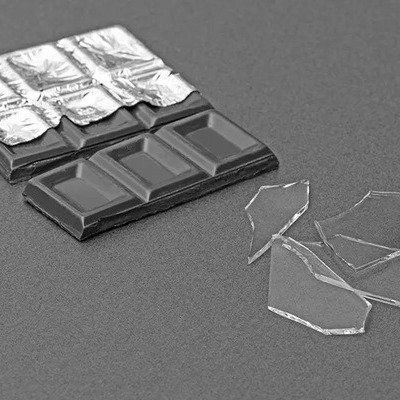
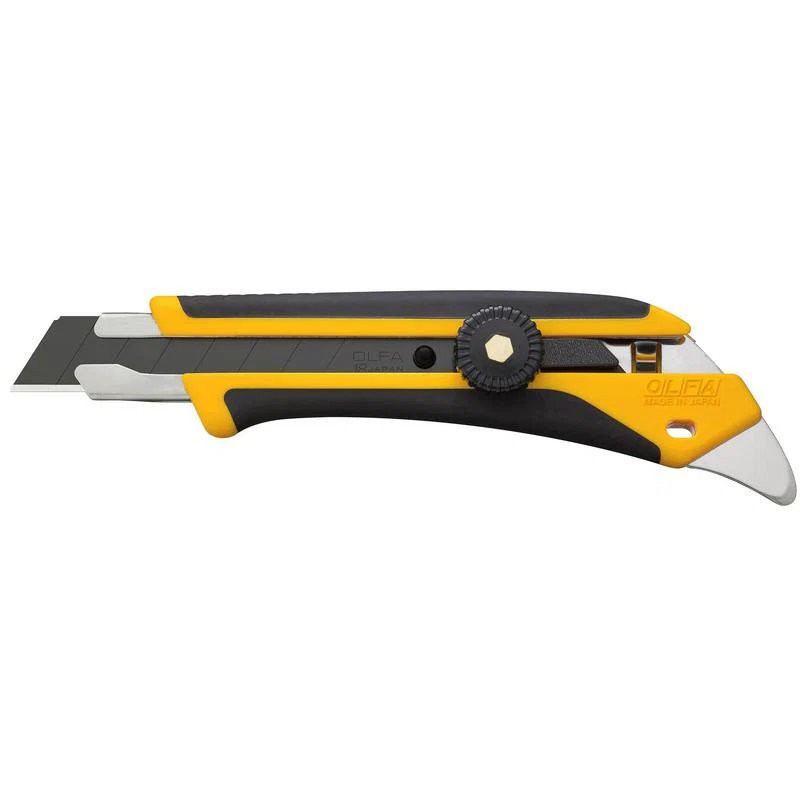
OLFA knives was the brainchild of Yoshio Okada who was working in a Japanese print shop in 1956. The blade on his utility knife went dull within hours. And it's 1956 so they'd be sharpening blades on stones. He noticed that a chocolate bar broke into perfect pre-scored squares, and that broken glass had a sharp new edge along every break.
He combined the two and built a knife with a segmented blade. When the front section dulled, the user snapped it off, and the new edge was sharp because it was a fresh fracture. The OLFA company shipped the first one in 1959. The pattern is now the global standard for utility knives.
The snap-blade story is the cleanest case of biomimicry of consumer behaviour I got to know, and the lesson under it (look at how the user already breaks things) is the cheapest design research a hardware team can do.
2. What slab phones could be
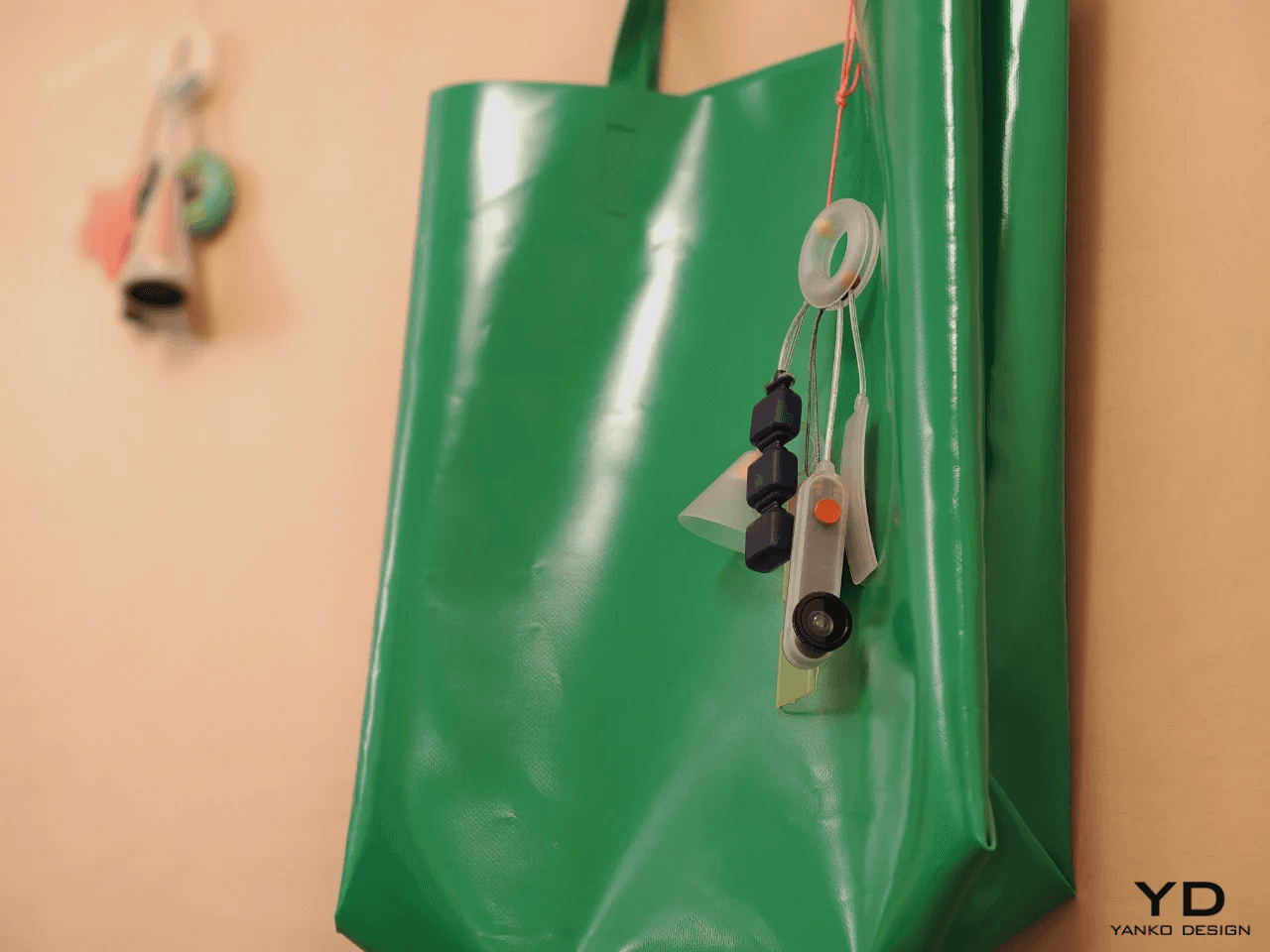
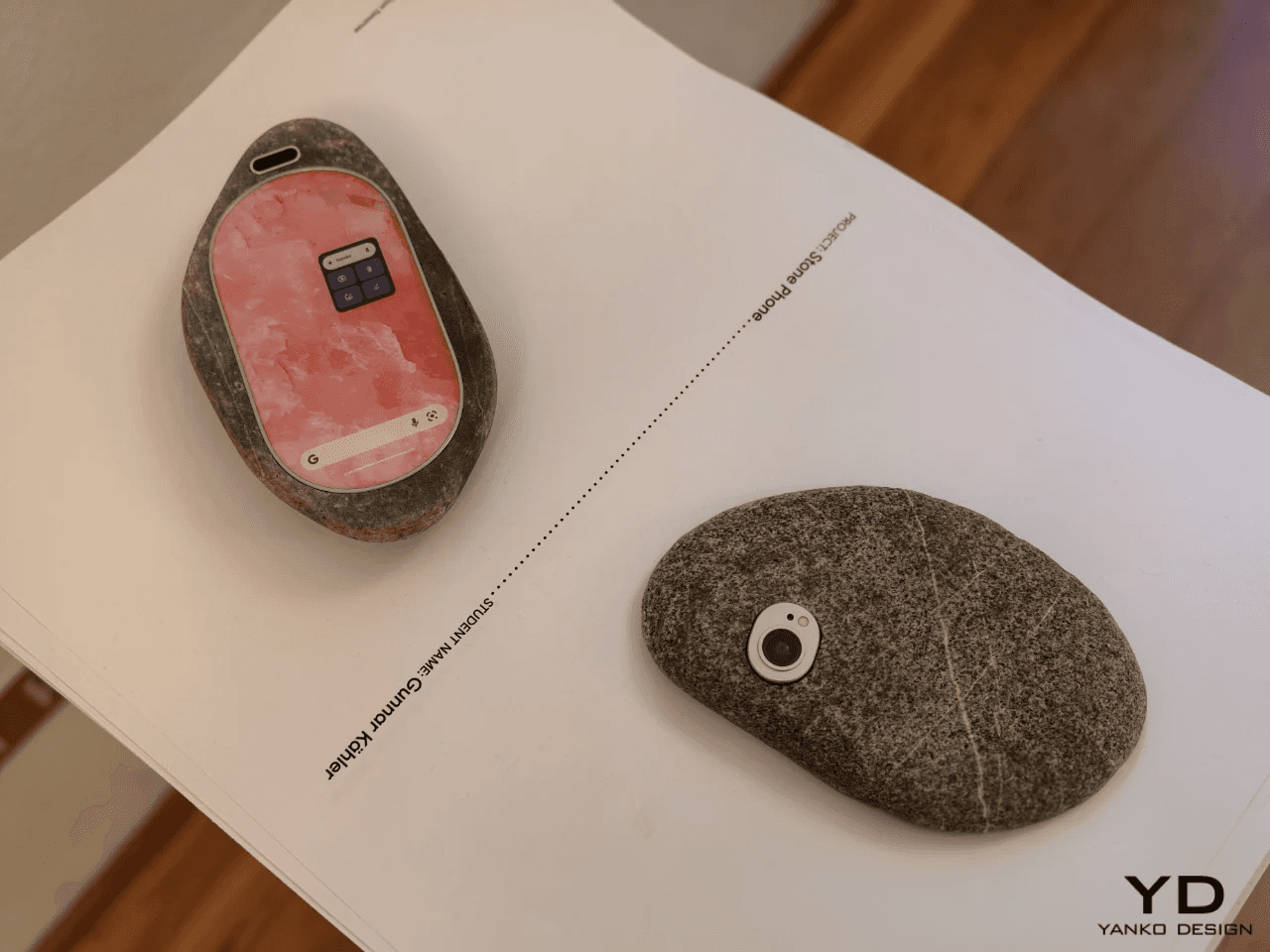
ÉCAL, the Swiss design school, ran a workshop with Google to envision a phone built around daily rituals of people. None of the outputs from the workshop were slab phones. There's a stone phone, a phone that hangs from a chain, a phone in a clamshell-sized brass case, a phone meant to live in a coat pocket and never come out, a phone shaped like a small handheld radio. None of them are real, production-ready products but they are directions that make you think deeply.
The stone phone is interesting because it makes the user hold the phone differently, which makes them use it less, and that's almost certainly the point. It'll be horrible to carry in pocket though. The hanging cord, spool based accessorised version of the phone is also very interesting and I'd personally want to vouch for that future.
This is great because even a common hardware like phone can try to embrace what users already are used to. Shameless plug but this is almost like our newest Lock Ultra where the form factor follows the use case it actually has - a door handle.
3. A diploma project bench is now installed at an airport in France
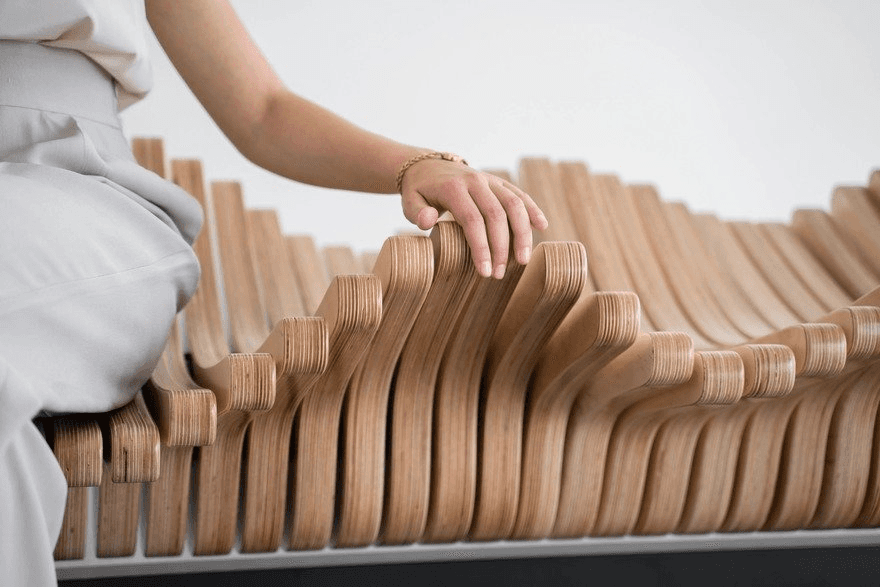
Kim Andre Lange's SurfBench is a public bench made of linked wooden slats that flex with the sitter. It started as a graduation project and is now installed at Nice Côte d'Azur airport (France) and sitting in the permanent collection of Die Neue Sammlung in Munich. The transition from student work to commercial deployment took less than four years.
I loved this project because the journey from a student diploma to a durable retail product is supposed to be impossible. The cost of tooling, the cost of compliance, the cost of a brand willing to put its name on a graduate's first commercial piece, all add up. Lange found a furniture publisher willing to take the bet, an airport buyer willing to put it through a public-fixture stress test, and a curator willing to put the early piece in a museum.
This gives me an idea to run internship pipelines that make projects like these happen. The question of what to do with a good intern's first product is the question I'm trying to answer at Native this year, and the SurfBench is the only real-world data point I have that the answer is yes.

4. My favourite windows laptop is now on steroids
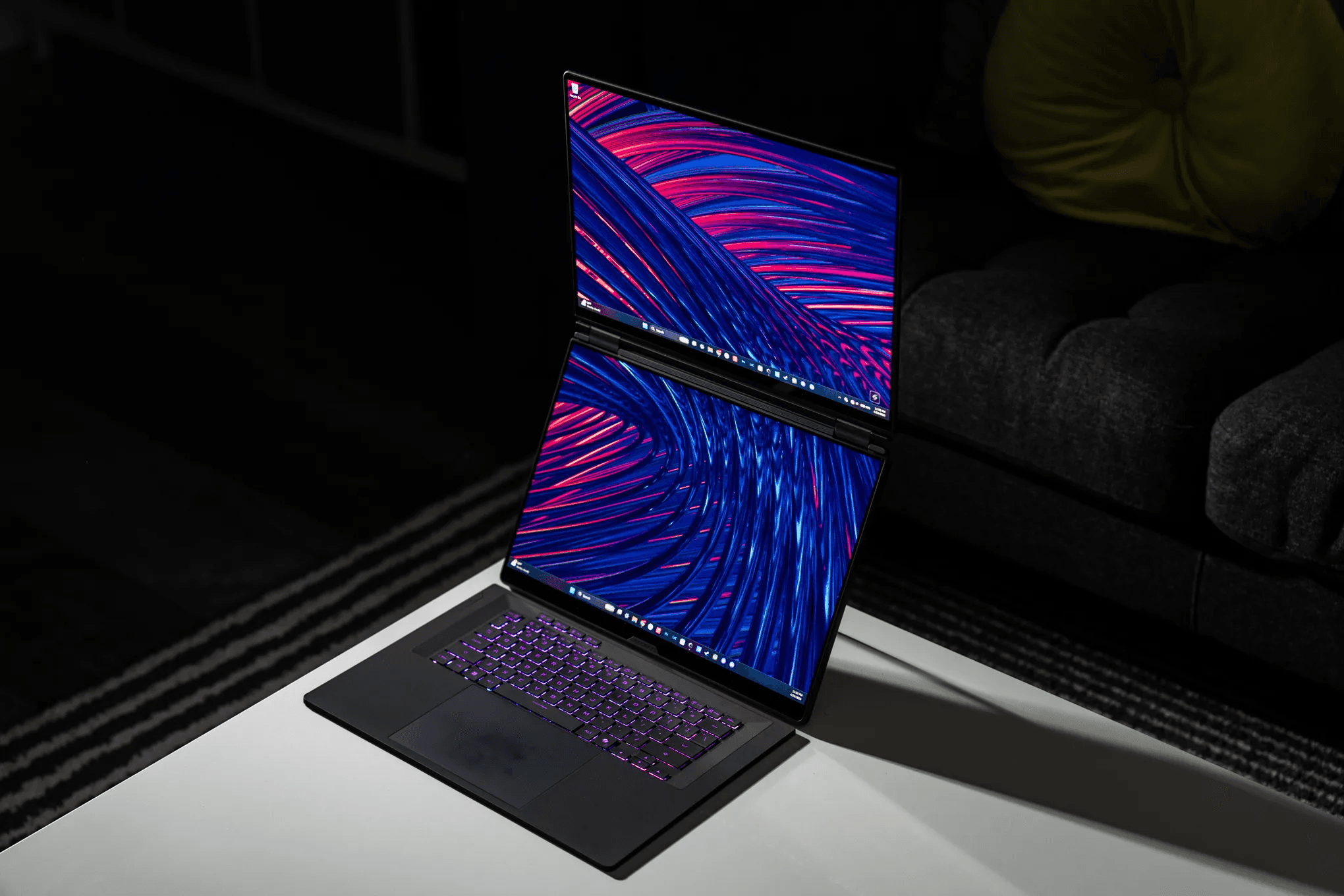
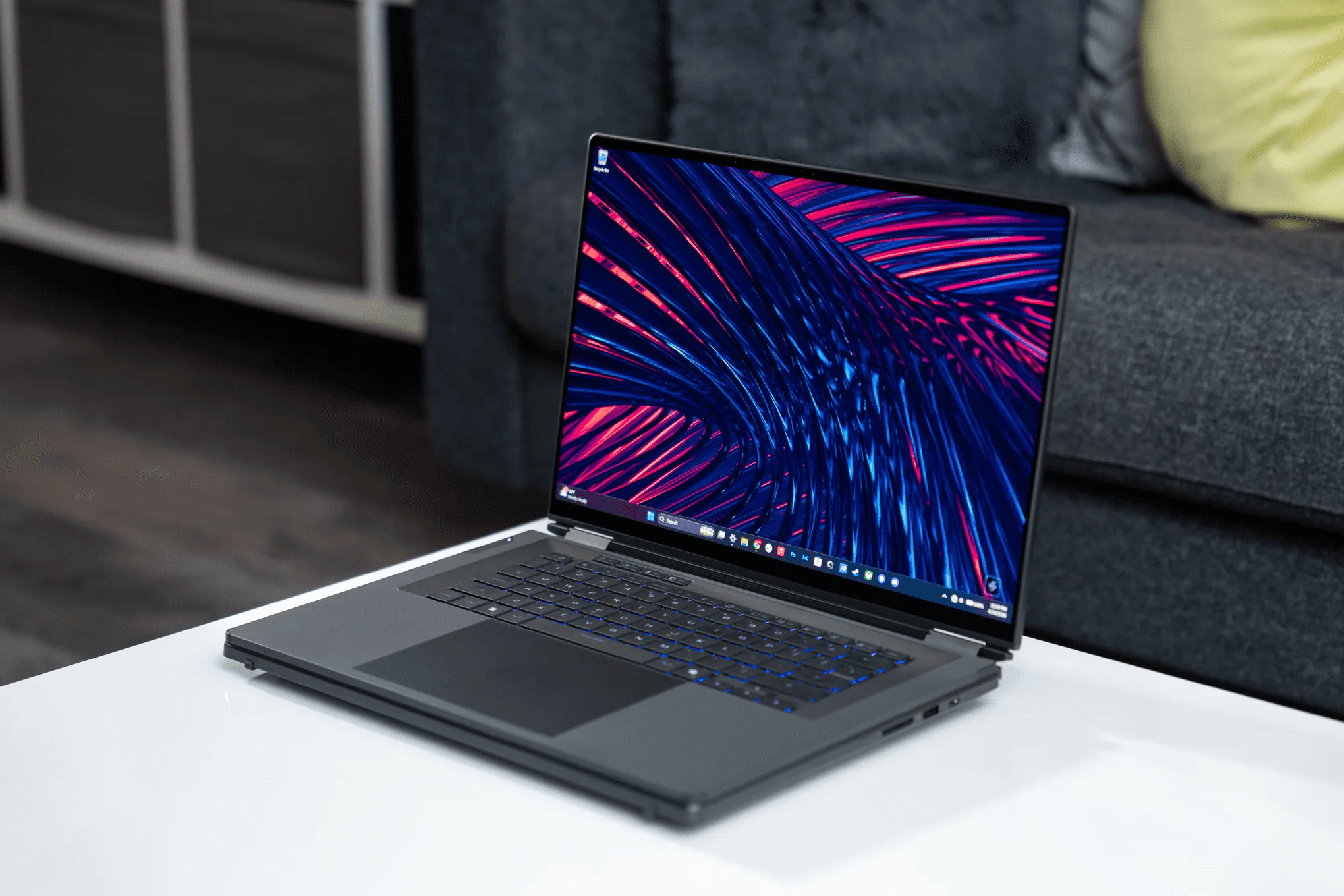
The Asus ROG Zephyrus Duo 2026 is a 16-inch dual-screen gaming laptop. I actually wanted to buy the Zephyrus Duo 16 two years ago because I assumed I'd have enough time in life to play PC games.
Two screens on a single deployment mechanism that has to hold them rigid under one hand, while still allowing typing on the freed-up keyboard area, with airflow paths threaded between the two panels. Industrial design at the consumer-electronics premium tier is now a mechanical-engineering question first and a visual question second. This is important for most of the Industrial Design and Mechanical Engineering functions in hardware teams.
These are niche products but if you see, the "industrial design is now mechanical engineering" thesis keeps showing up at the premium tier. Making it look good is well the relatively easier half.
See, this is a halo product. Halo products exist to anchor a brand, not to ship volume.
5. A pocket projector that tri-folds and the amazing hinge
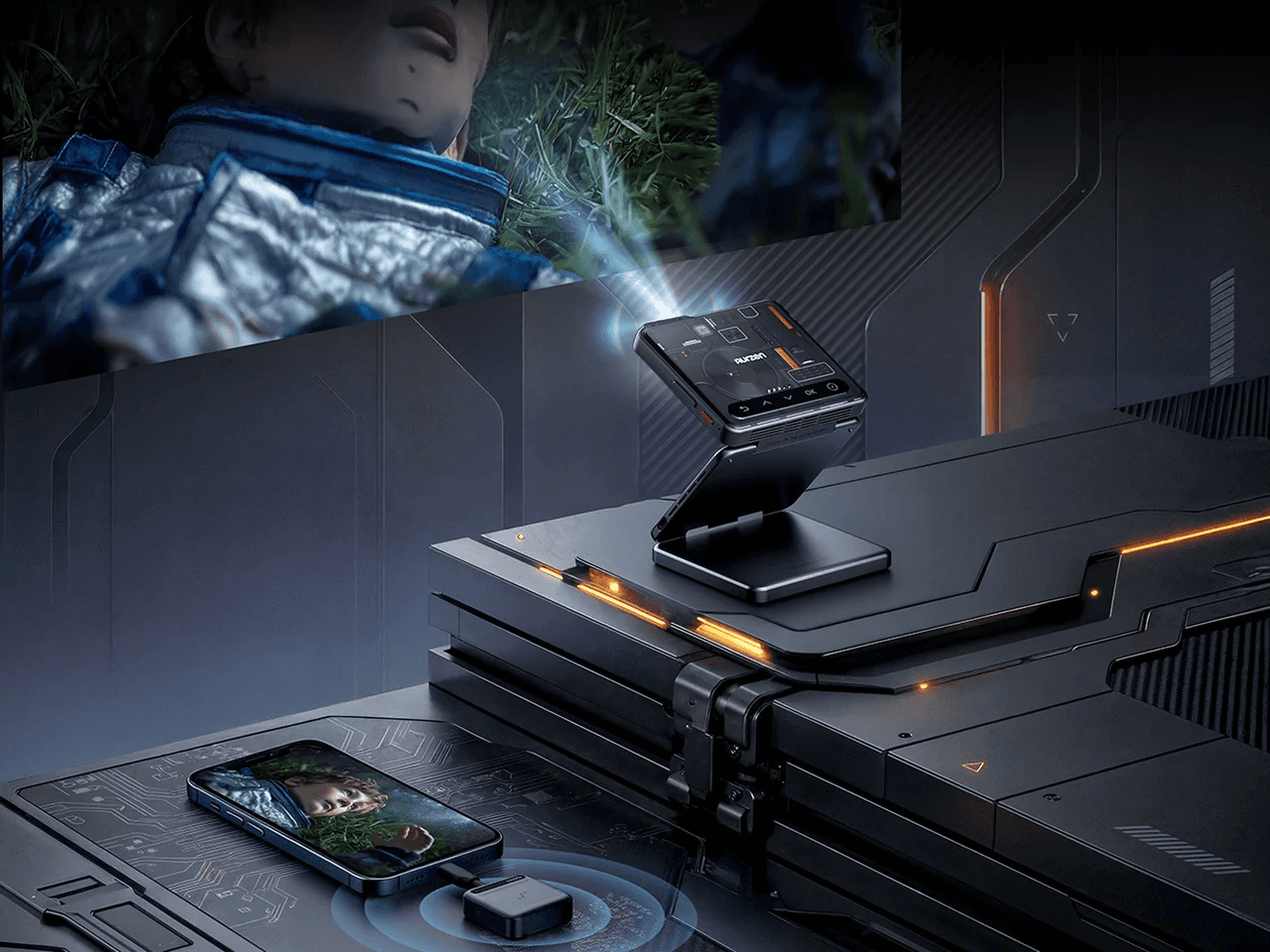
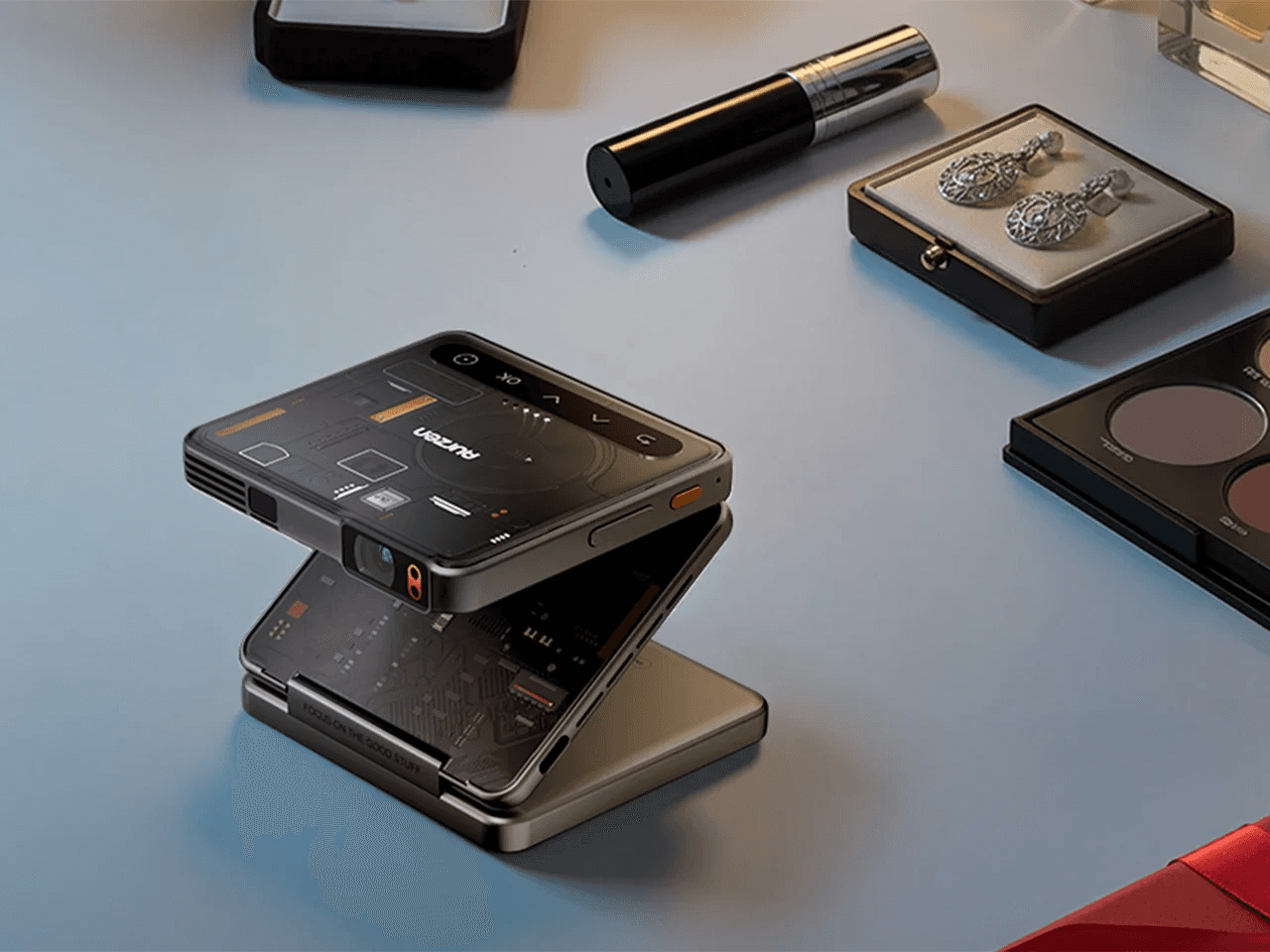
The Aurzen ZIP Cyber Edition is a tri-fold pocket projector with three flat panels that hinge open into a slim slab. The cyberpunk-styled CMF is the marketing. I'm sold. I'd want to buy it. The interesting parts for me are the form-factor and, of course, the hinge.
I think we'll see more folding mechanisms in kitchen appliances and small-format consumer hardware in the next eighteen months. The Aurzen team has clearly cycled their hinge through a few thousand opens and closes, because the panel alignment in the press images is too clean for a one-shot prototype. I'd like to see the cam-and-detent design under the cover. CMF aside, this is a great hinge case study like that of Honor's and Samsung's.
We should explore this more: keep the essentials up-front and rest concealed only to be revealed with a hinge?
6. An itel-branded AI voice recorder at just ₹4,999
If you didn't know, itel ships sub-₹10,000 phones to second-tier Indian cities and tier-three towns. They launched Zeno AI Weaver which is a single-purpose AI voice recorder for meetings, lectures and interviews, with on-device transcription. The launch listing is around ₹4,999.
The rich-country narrative on AI hardware (Rabbit R1, Humane AI Pin) has been written on the assumption that the buyer pays $200 and up. The itel move is that the same idea, stripped to the function the user actually wanted, runs at one-tenth that price. India's hardware history is full of categories that started at the top end in the West and got built from the bottom up here. It dropped the purchase barrier completely. At the cost of a decent powerbank, anyone could buy it without thinking about it.
The AI-hardware category in India will not be an Apple-priced niche, and itel has shown the form factor and the pricing the bulk of the market will actually buy. Good inspiration. Great one actually!
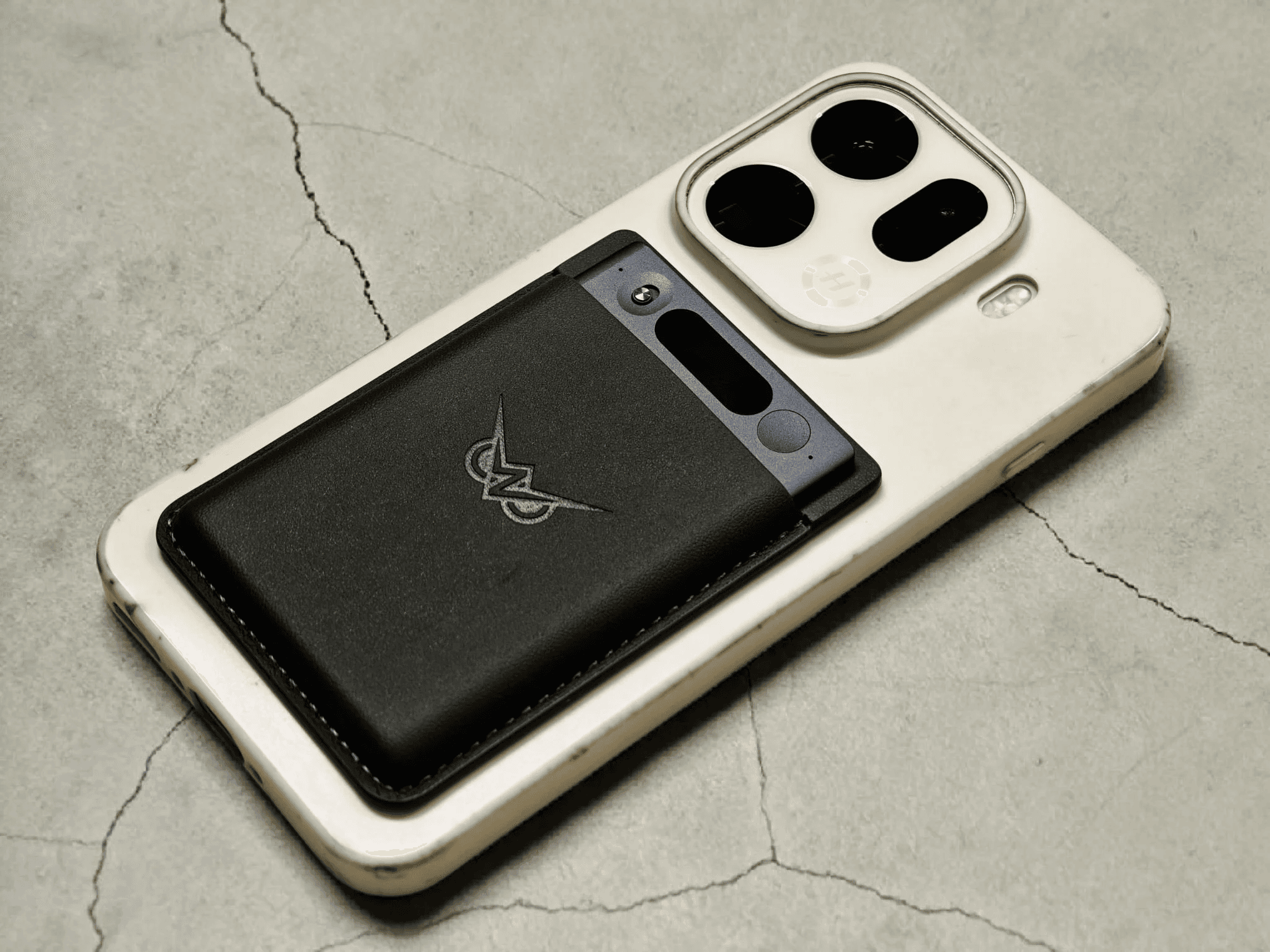
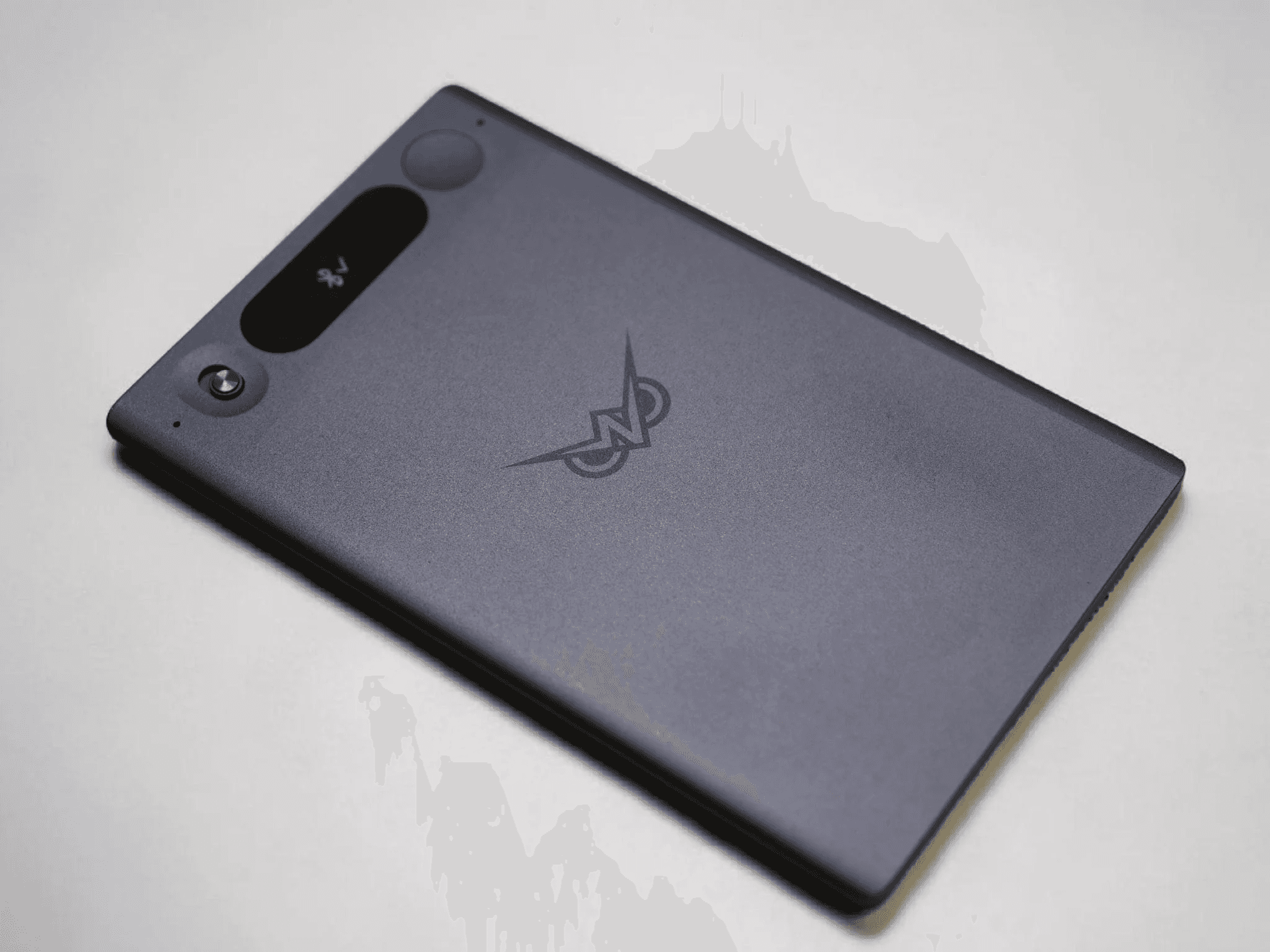
7. Finish is cheaper than people think. HONOR has shipped the receipt.
The mid-range phone Native should be reading the BoM of.
The HONOR 600 ships with a glass back, a 6.55-inch 120Hz OLED, a curved metal frame and a 5,200mAh cell at around ₹35,000. The Yanko reviewer comes away with the conclusion that it feels like a flagship for two-thirds the cost.
The reviewer's finishing-touch list is the part I read carefully. The chamfer at the top of the frame is polished, not just deburred. The camera bump uses an aluminium ring rather than a printed accent. The vibration motor is a linear-resonant unit, not the cheap pancake found on phones at this price point. None of these decisions cost more than a rupee or two each. They cost discipline. The Native ID team has the same shortlist on the ₹40,000 RO build right now, and the answer keeps coming back to discipline.
In this magazine because the gap between mid-range and premium feel is closing fast on the Chinese OEM side, and Native has to read every one of these reviews like a BoM document.
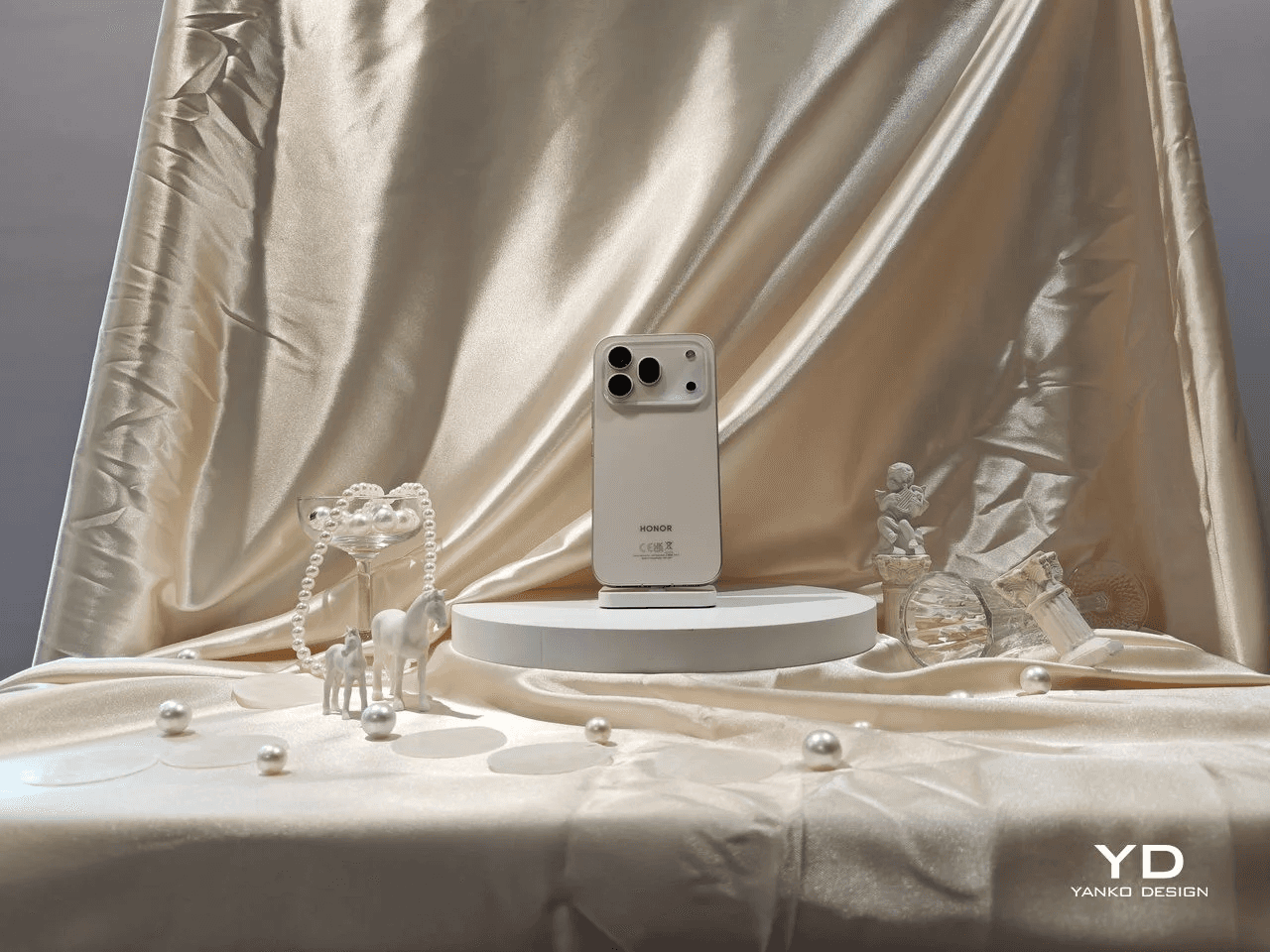
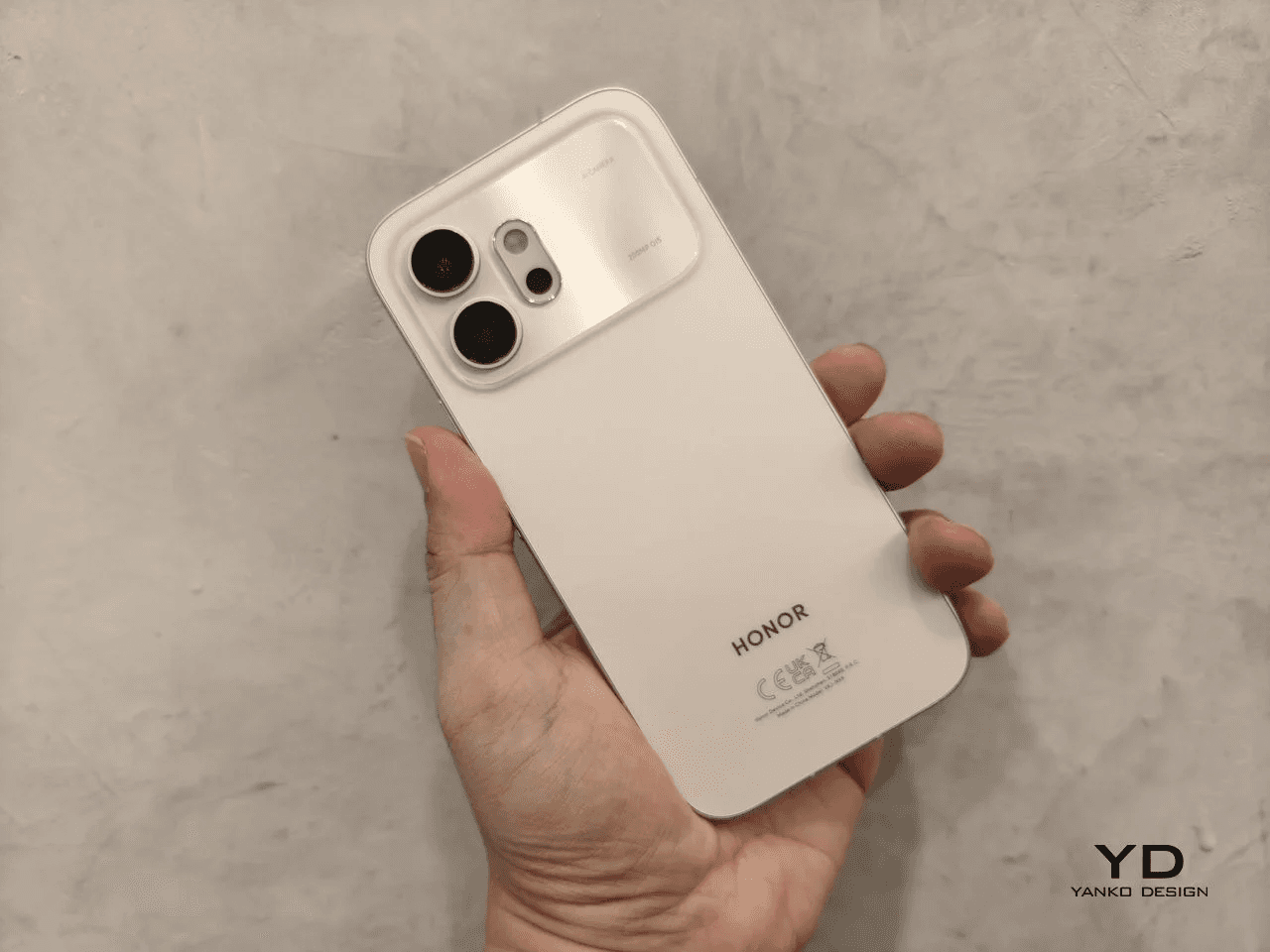
8. A 15-inch screen that does one thing
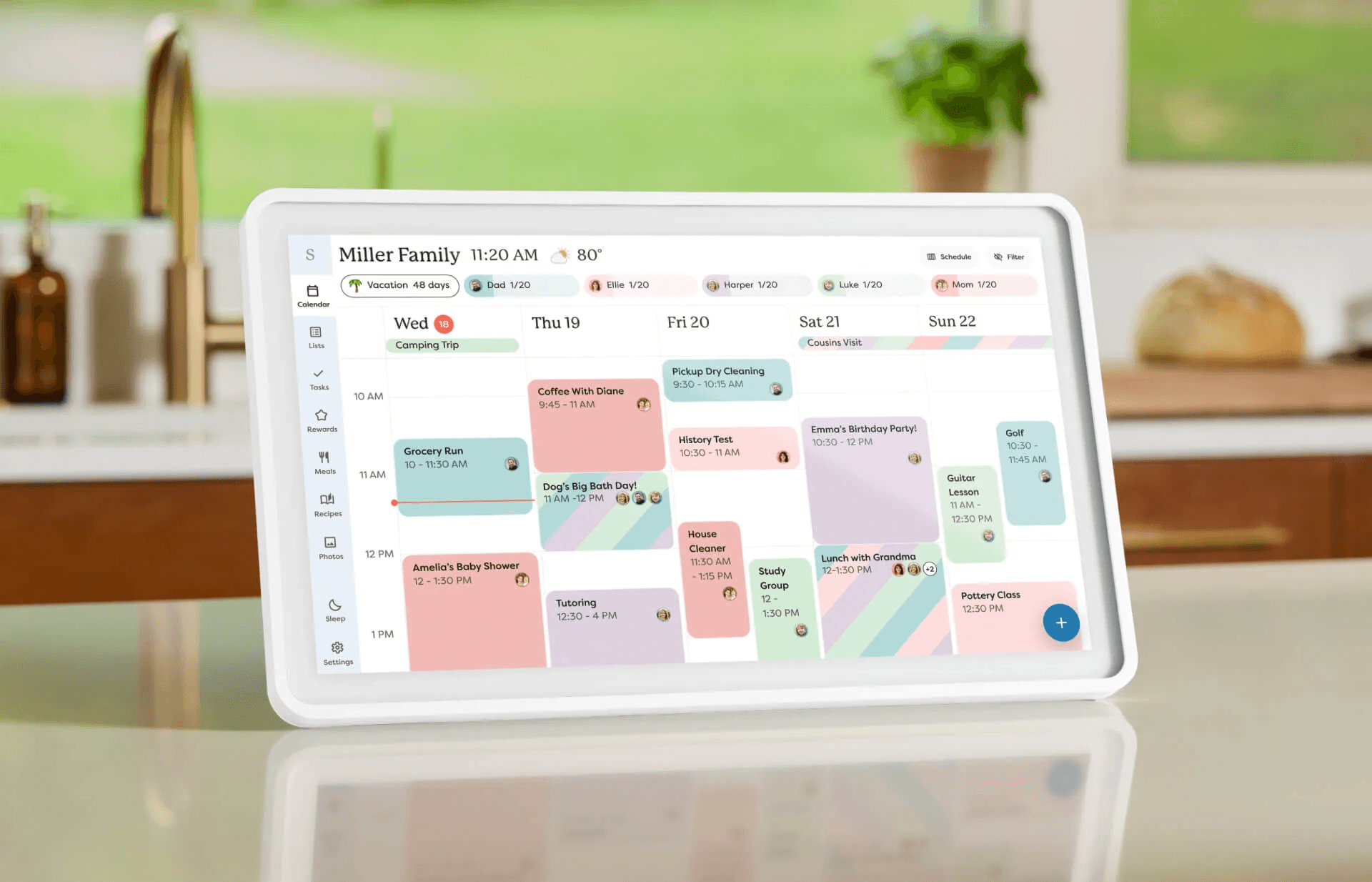
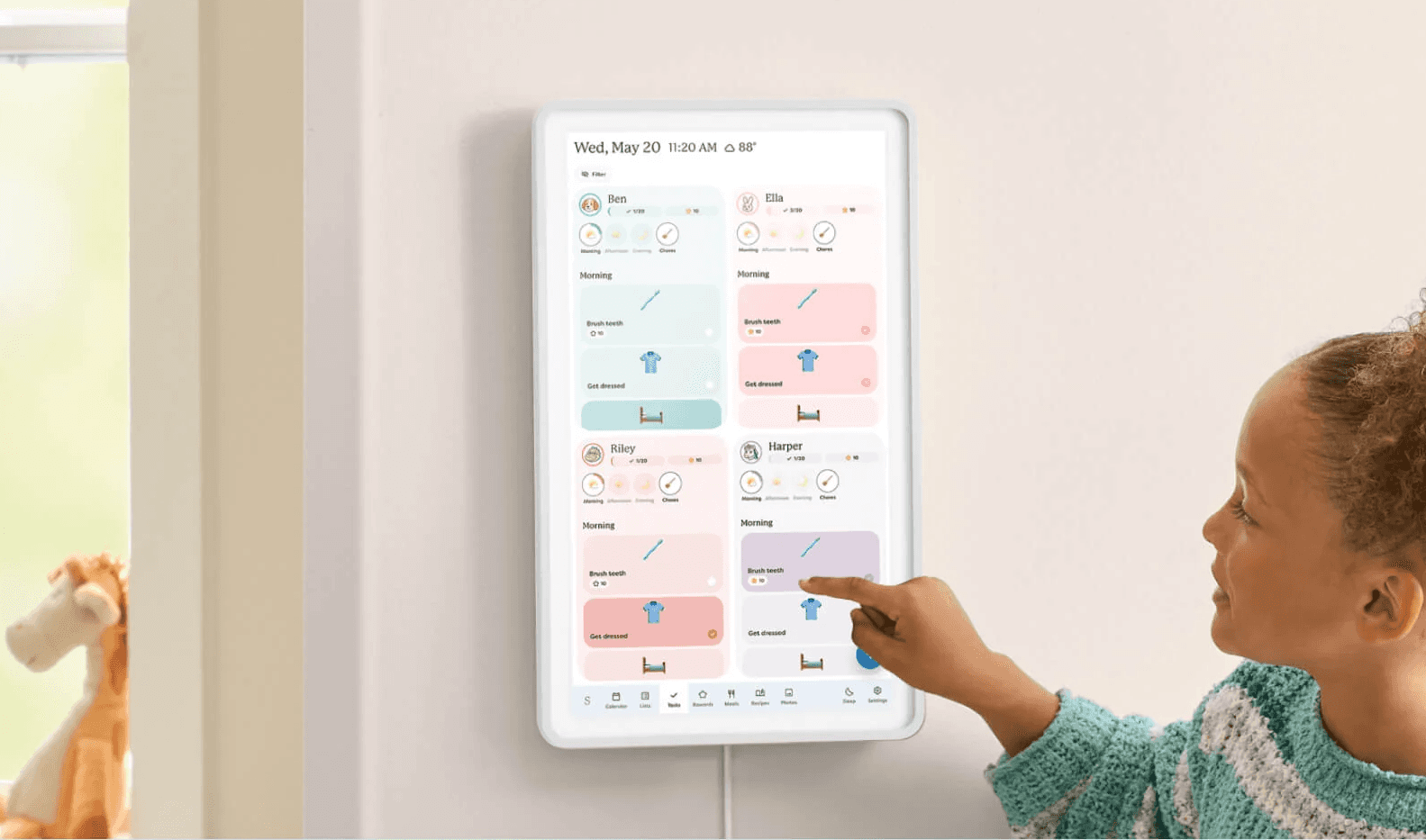
The Skylight Smart Calendar 2 is a 15-inch wall display that runs only a family calendar. There's no browser or app store. Basically, the child can't borrow it for a few hours to install new games to try out. They were clever. It doesn't have a battery because it's not supposed to leave the wall or a permanent space.
I shortlisted this device because it replaces the magnetic board we usually put up on the refrigerator to mark family calendar and is a good reminder that the kitchen appliances we make needs to do that one thing right. I saw kitchen chimneys that do a decent job at suction but also has an entertainment portal baked in for the cook to watch OTT shows.
Adding a recipe app, music player, something more entertaining is easy ideation from product managers. In some cases we should too but priorities should be to build the product around a clear, sharp use-case. The disciple to ship a single-purpose screen in 2026 is harder than the engineering.