1. The kickstarter air purifier that I hope works
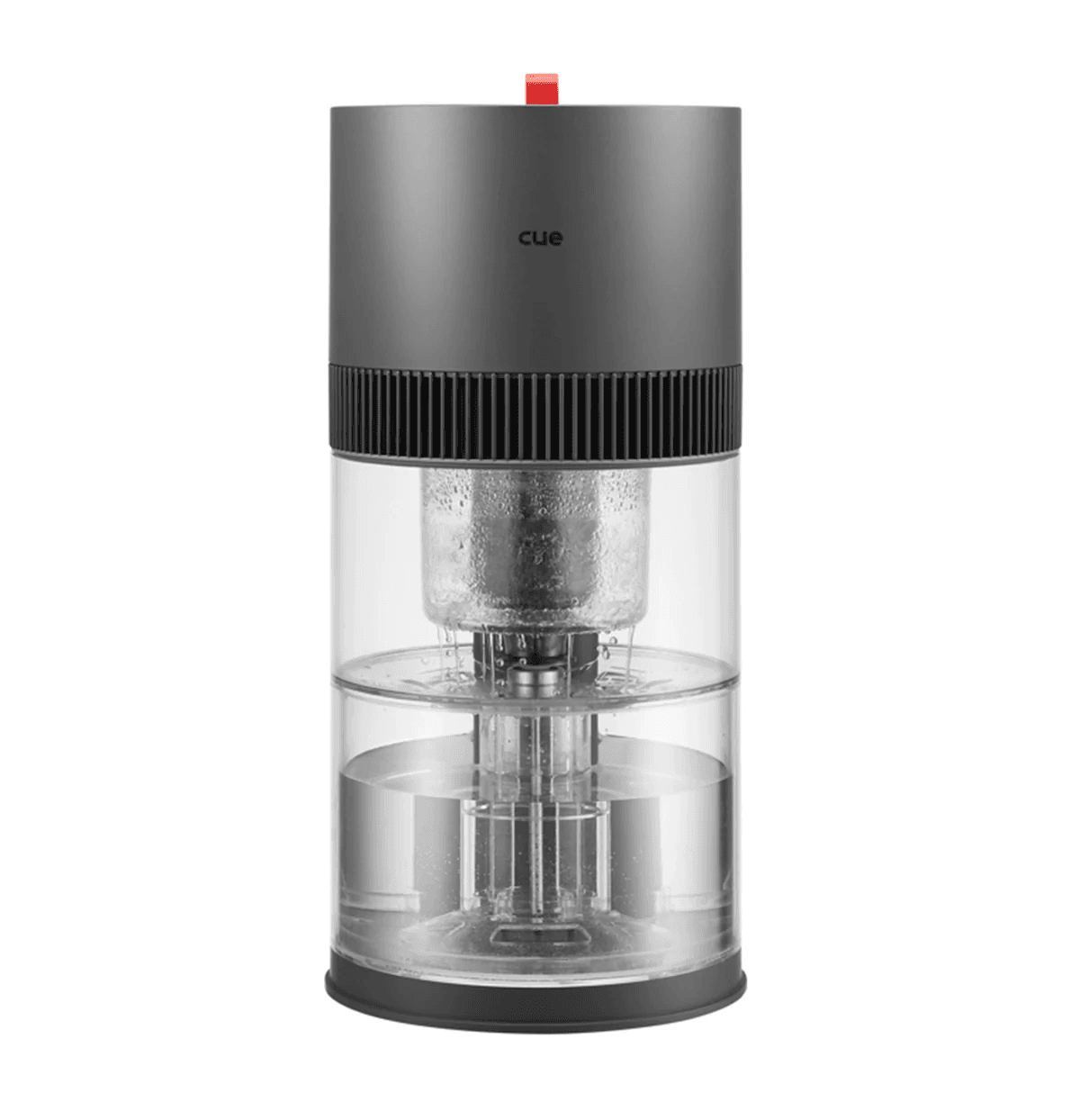
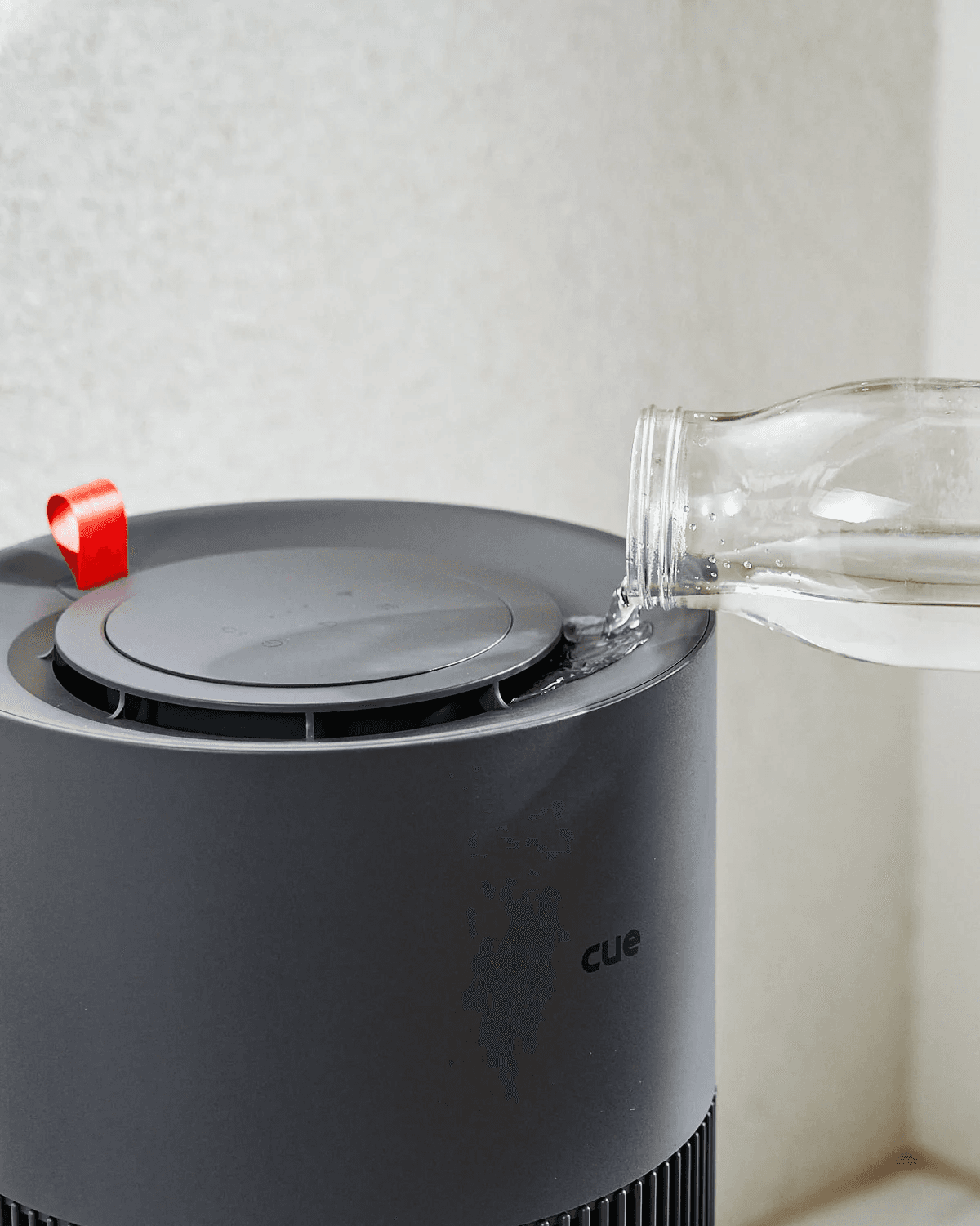
Spotted this on Kickstarter. The CUE Air Washer skips HEPA filter cartridges entirely. It pulls air through water, traps dust there, and sends the air back out clean. Watch the video, it's promising on the surface at least. This is still a product video with half a million dollar funding. We will see how it turns out. In the last few years, I didn't have good experience with promising products listed on Kickstarter.
Anyway, CUE is challenging an assumption every air purifier sold in India runs on: swappable HEPA filters. The water-trap claim needs PM2.5 data; the Kickstarter page doesn't show that. But the design move is the right one. Pick the recurring cost and solve around it.
2. The handheld fan that's blowing up
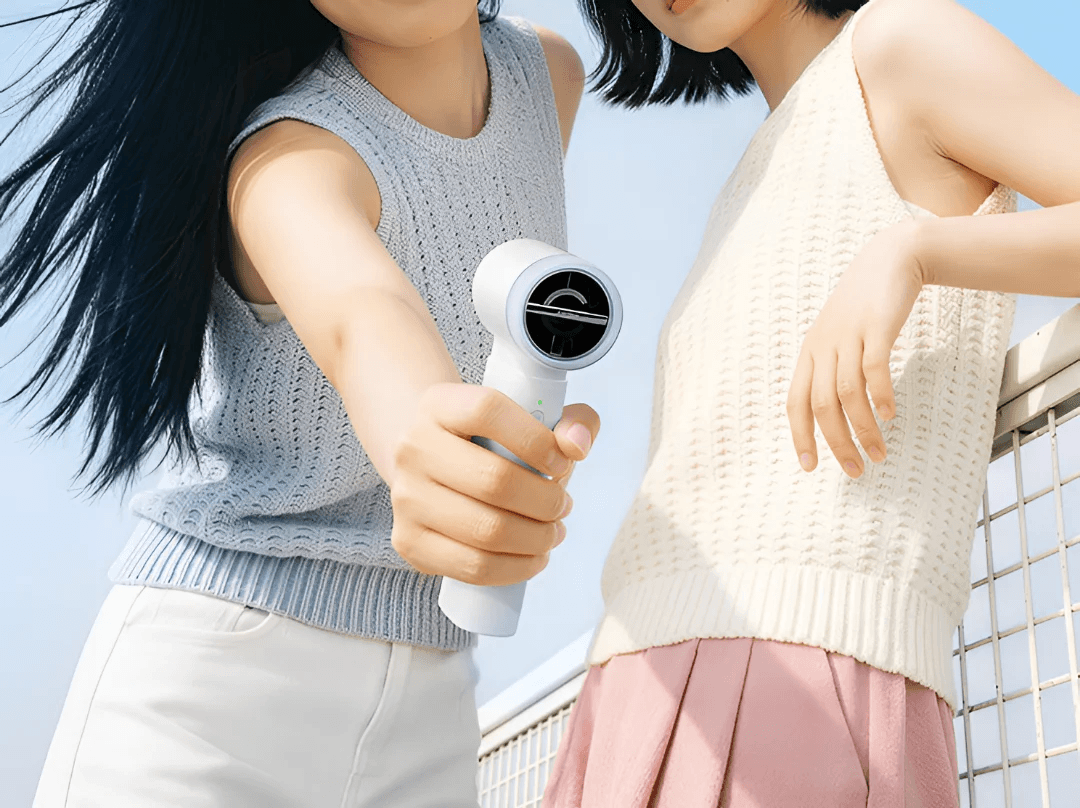
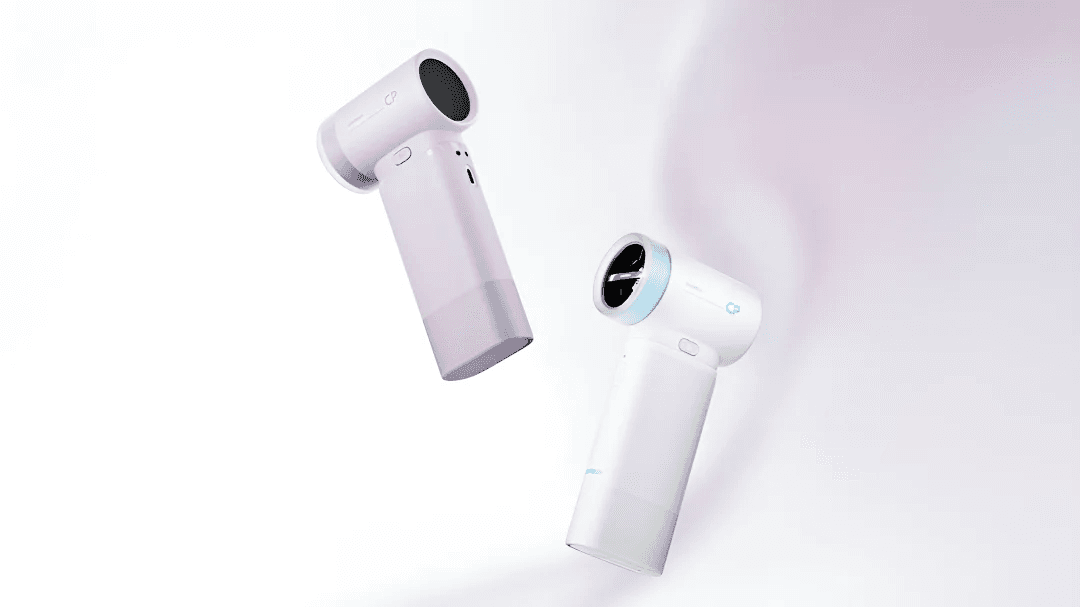
Dyson recently launched a personal cooling fan - HushJet. I've been spotting them almost everywhere I went in Korea, China, and Thailand. Maybe it's a thing that's picking up. Anyway, this one by Cuktech has a battery that pops off the back and becomes a 33W charger. Two obvious products built in one - one swappable cell and a personal cooling fan.
This is the Xiaomi ecosystem playbook reaching down to ₹3,000 hardware. The trick isn't the dual function. But something which is dual-purpose but so thoughtfully baked in that it doesn't feel like an afterthought.
Takeaway is not the device. It's the good modularity framework to keep running in mind.
3. Why AI shouldn't always have a screen
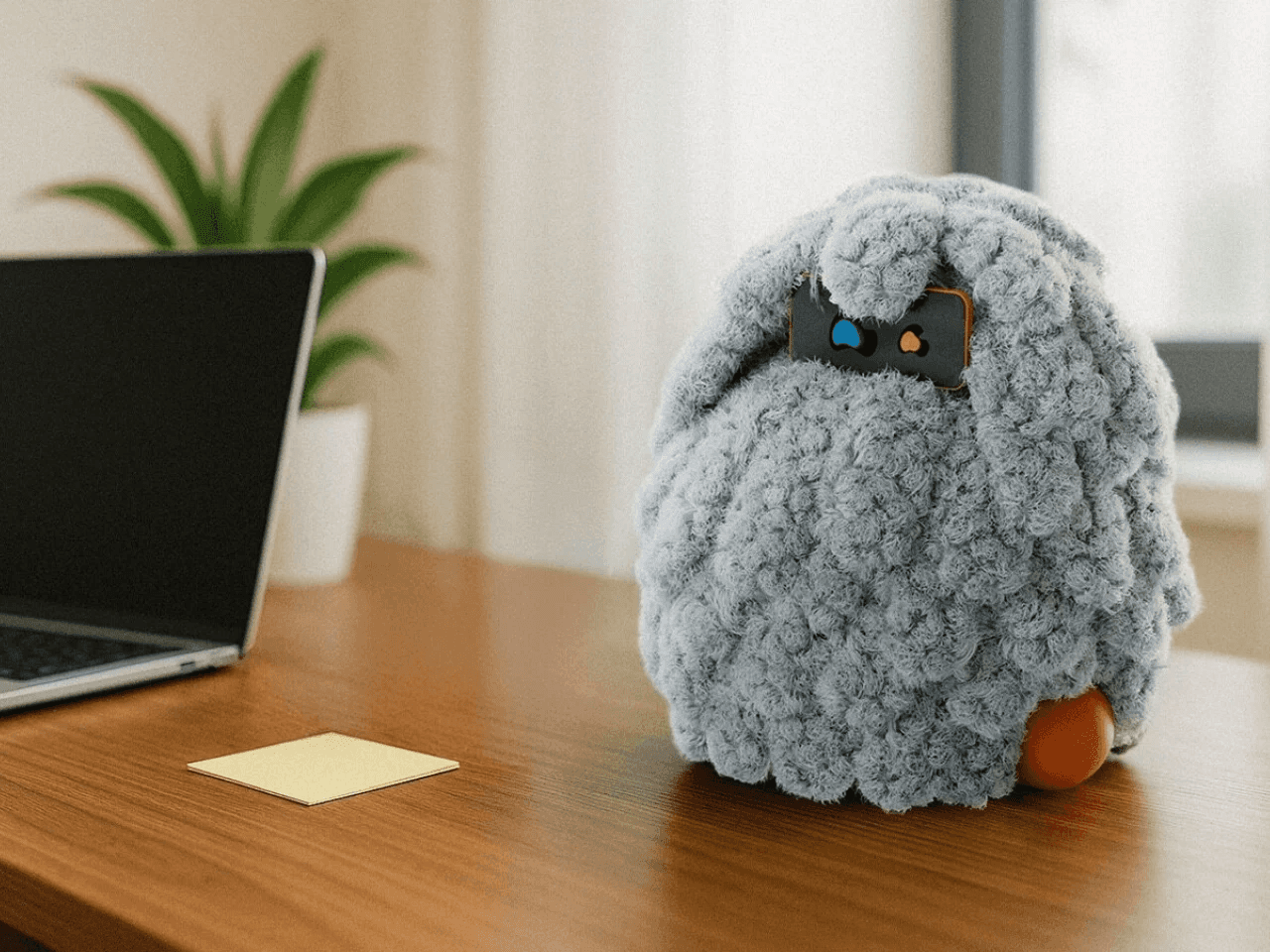
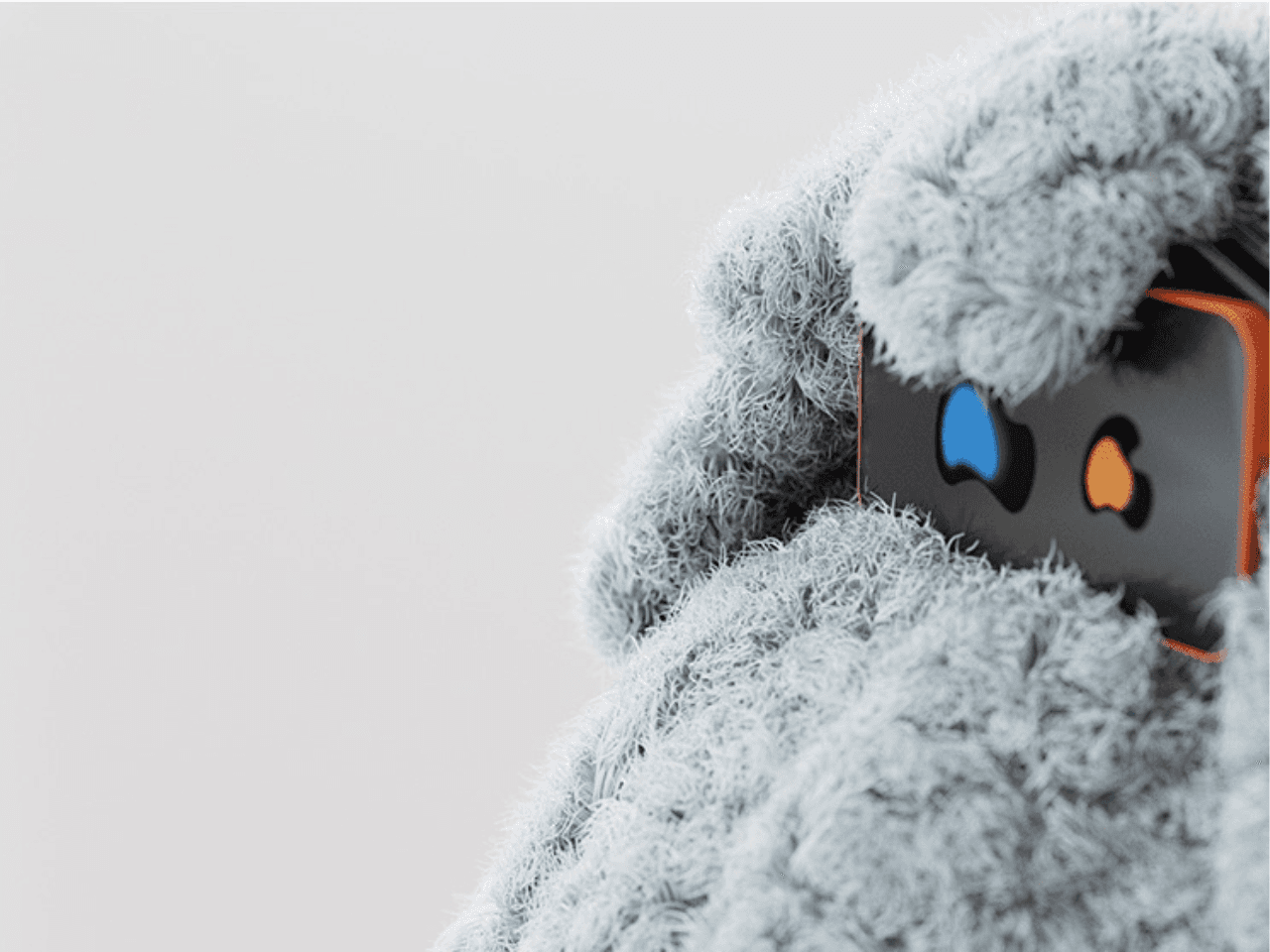
When I saw this on Yanko, I immediately calmed down. I mean it's a plush toy sitting on your desk. That's it. Think about it… POCO is a soft, palm-sized object that is not trying to beat Claude or GPT. It's a physical thing that you just feel.
What is it really? It's basically a phone holder. You mount your phone on it. The phone provides computation and a “face,” while the body provides movement. Inside that body you can assume there are basic actuators (for small motions and “breathing”‑like inflation/deflation or shifting) plus sensors to detect touch, motion, and environmental cues and respond with posture change, breathing like motion, etc. Cool, right?
As we start building physical AI and increasingly a lot of appliances will have AI inside, this is a good stress buster when some products stop being an app.
4. The titanium pocket knife that locks with two magnets and the flick of the wrist
In the last 3 product builds, we tried to put magnets. In one, we did. We wanted to put in more. Anyway, the thing with magnets is that their additional BOM cost needs to justify the experiential or utility value it provides. So, I keep a lookout for good magnet use cases.
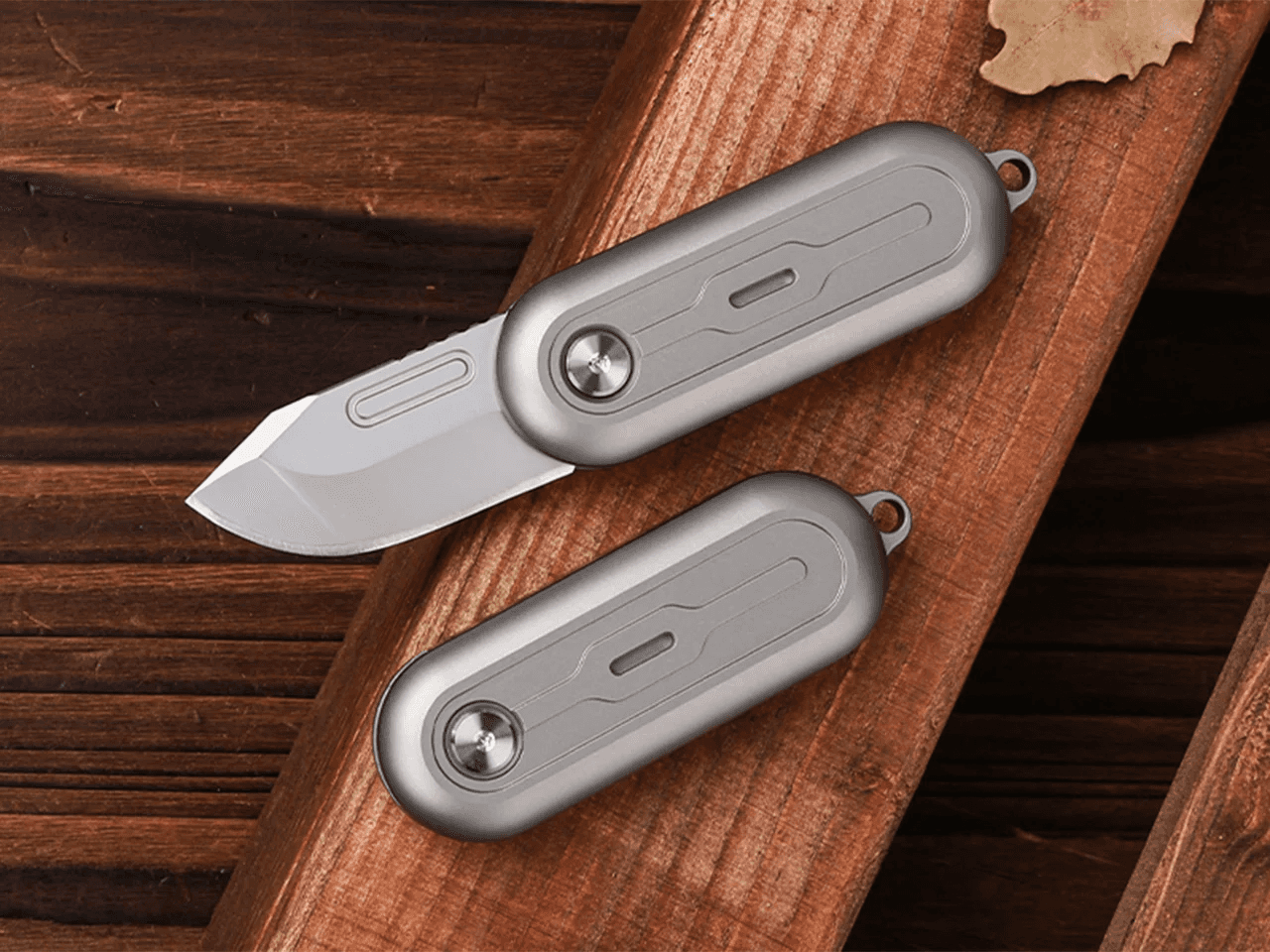
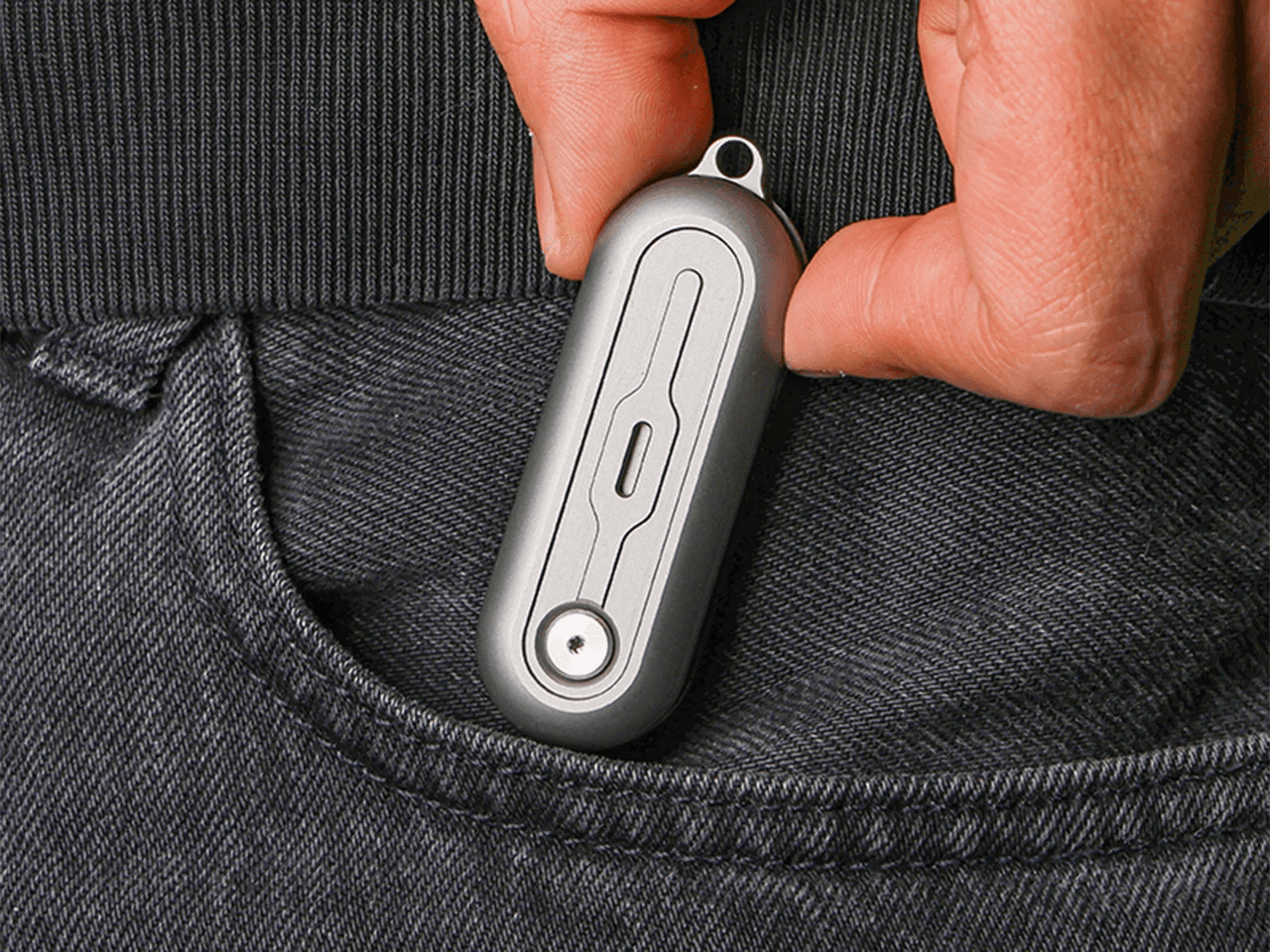
The TiNova II uses two neodymium magnets and the centrifugal force of the blade flick to lock open. It doesn't have the typical spring-loaded button or a liner-lock detent. The mechanism is just two magnets and the geometry of the way the blade swings out.
5. Mouse you can squeeze
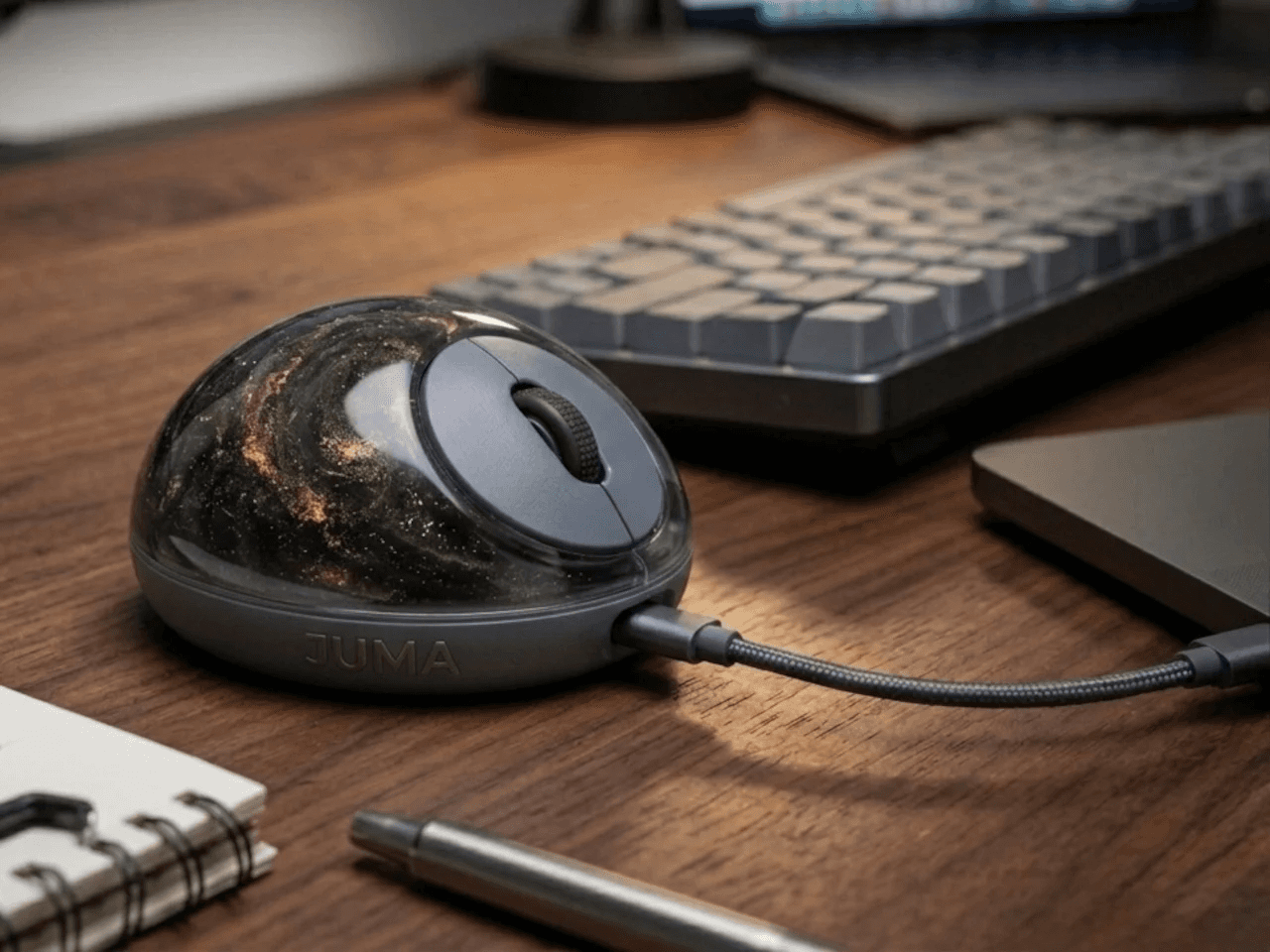
I proudly use the Apple Magic Mouse. We'll get into the reason later but there are times when I close the wrong window or something else happens and I grip the mouse real hard… to release a frustrated breath. The Pilliga is a computer mouse you can squeeze. The shell is soft and deforms under your hand and pops back. Makes you wonder why has the mouse been a hard plastic soap-bar?
The optical sensor needs a stable plane, yes but Pilliga gets around this by isolating the sensor pod inside a soft outer shell. Whether it actually tracks well is the open question though.
I picked this because it's a reminder to occasionally question the shapes defined 30 years ago.
6. A washing machine designed for the technician
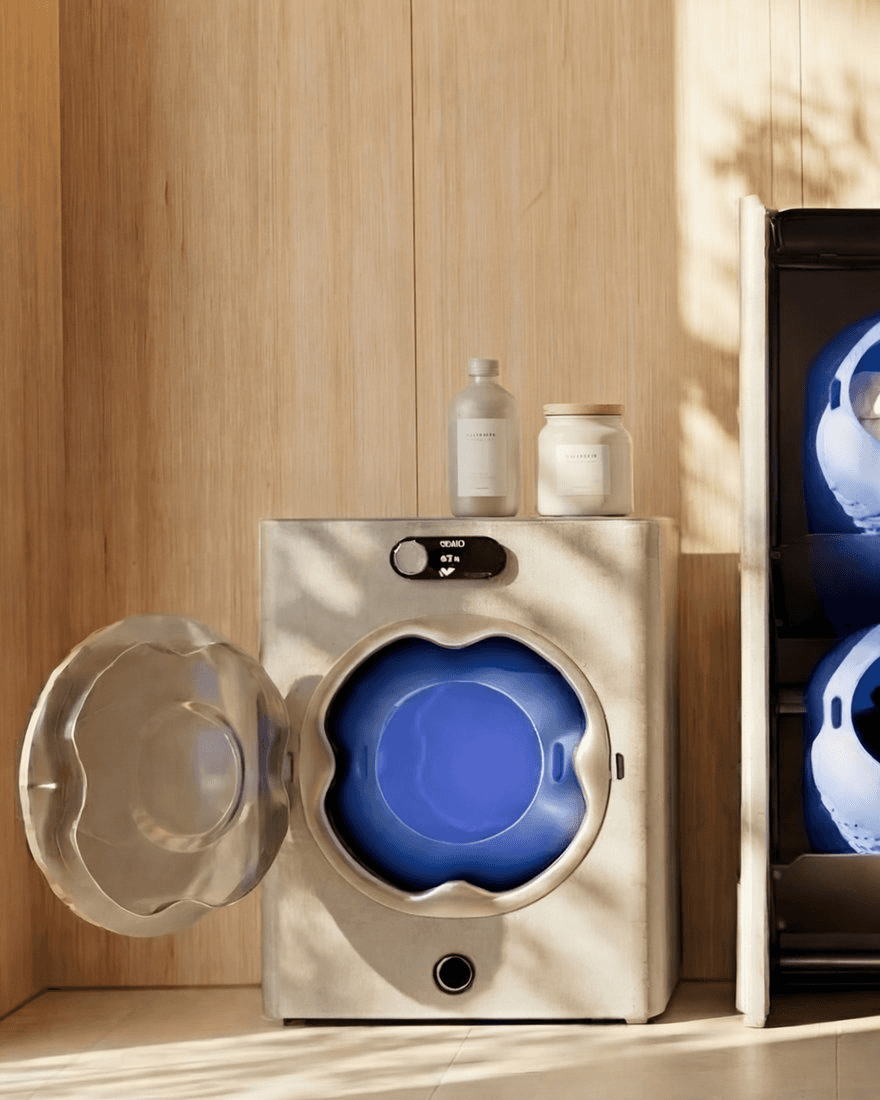
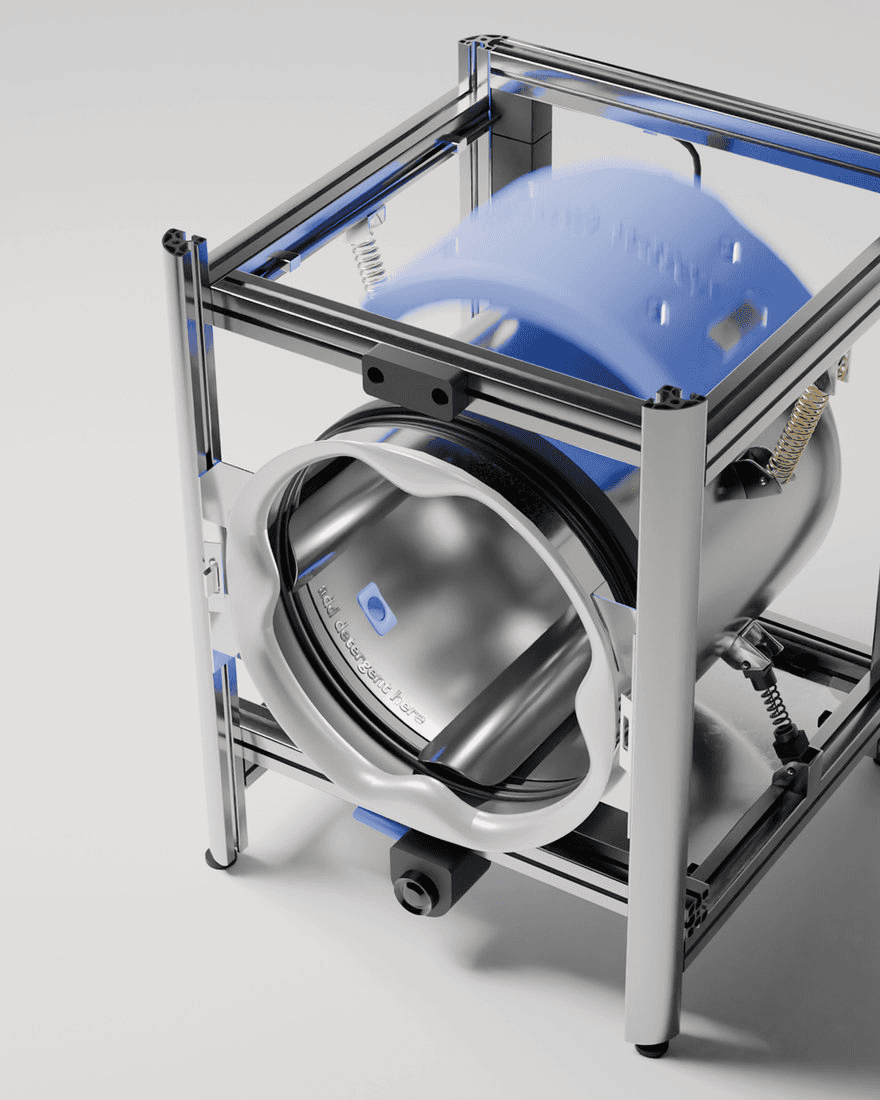
My favourite discovery this week has been knowing that a "Design for Disassembly" class exists. It's a class conducted in Institute of Industrial Design at Austria's FH Joanneum University of Applied Sciences. A student in a Design for Disassembly class built a washing machine you can open with one tool where the seals are accessible. The pump is bracketed, the control board is on a cassette. When something stops working, you easily replace the part. Easily.
Every UC service technician already does this work in the customer's home with a screwdriver and prayer that it works. The student designed the machine for the technician, not for the showroom. Maybe we write the next appliance brief with this as a key tenet.