1. Xiaomi's new dishwasher is sleek af
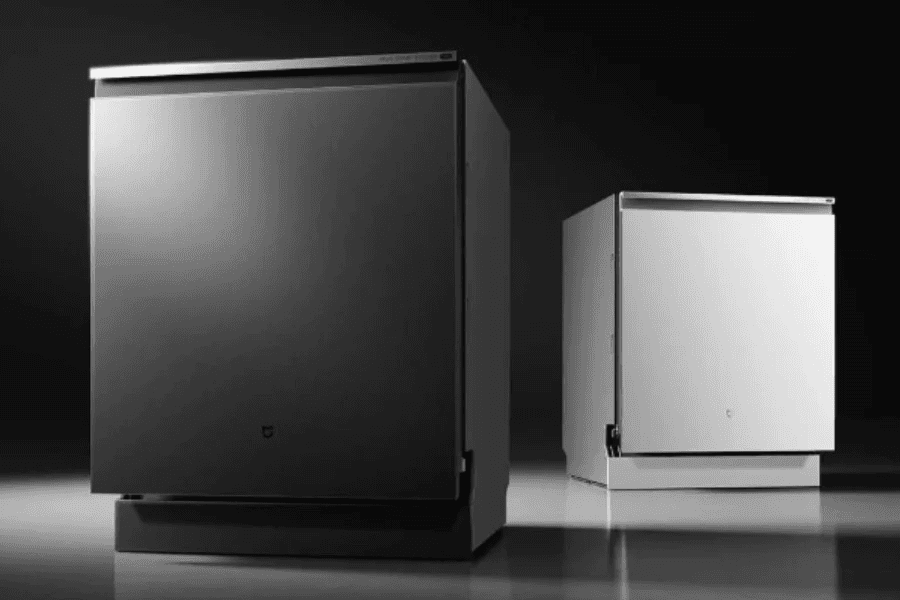
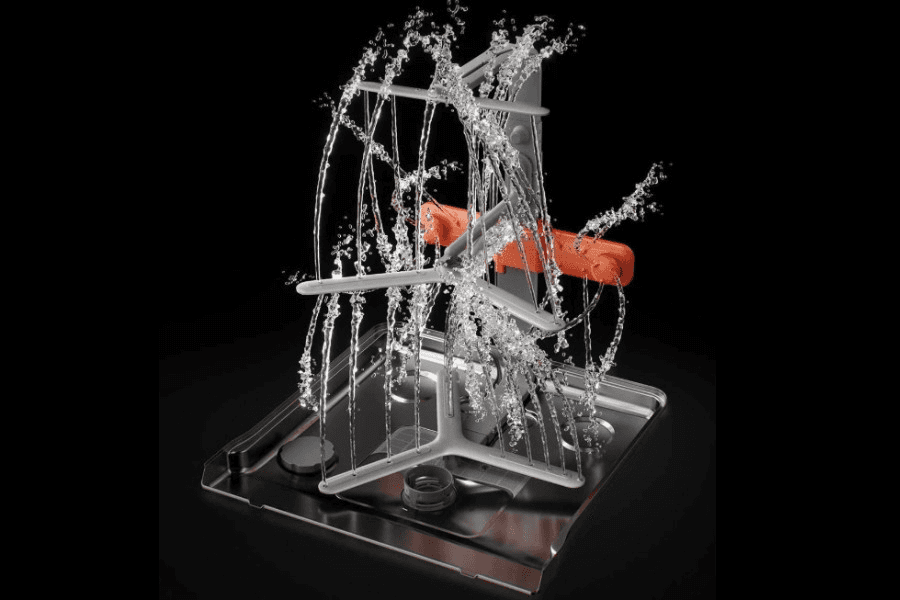
The new Mijia Smart Dishwasher Pro has a brushless variable-frequency motor and a tank for detergent built into the body. You fill the tank once. The machine automatically doses for each cycle. It removes one step from the process. Now one would just need to buy detergent in bulk and top up instead of loading it for every wash.
Once the core technology of an appliance hits the peak stage, the only thing left to do is to remove smaller friction points. Also, if you look at the machine, they have tuned it down to essential operations only.
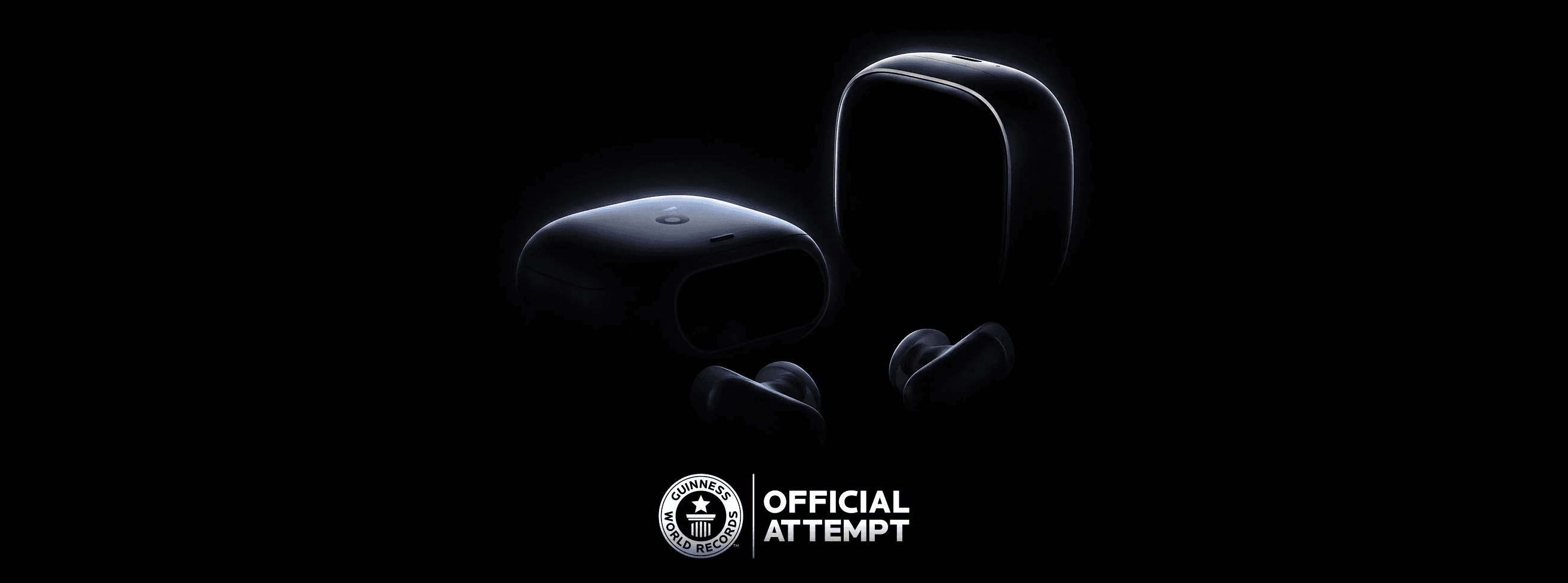
2. Anker built its own AI silicon. The first product is earbuds.
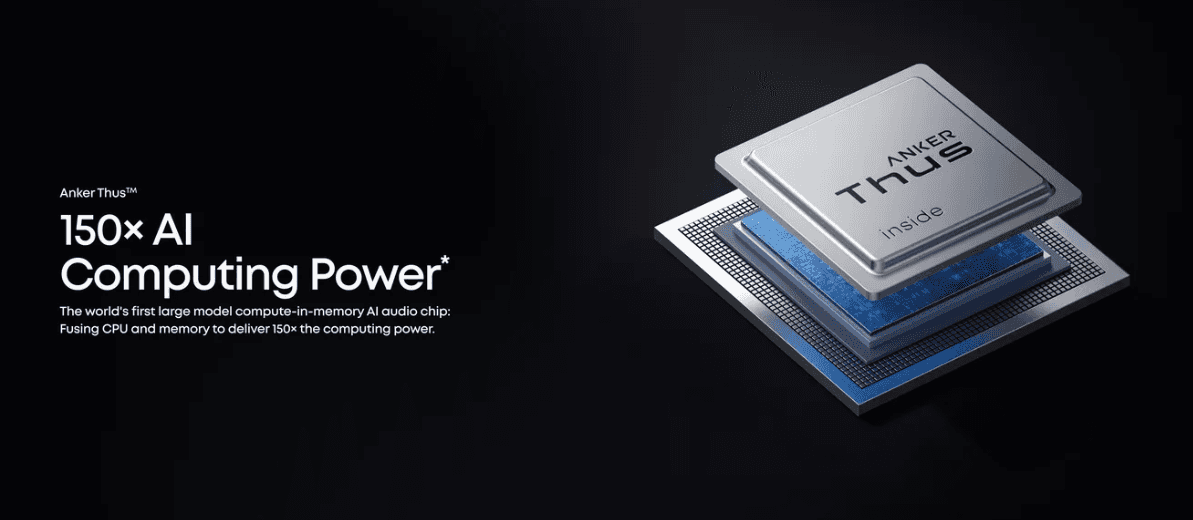
My got my first Anker powerbank in 2011 and have been a fan ever since. Most recently I got the Soundcore open ear buds and love them. They're apparently launching a dedicated AI chip called Thus. The launch laim is 150x the AI compute of a standard earbud DSP.
I'm personally not too excited by this as long as the open earbuds keep getting better in their physical form - fit and finish keeping the sound quality decent. But it's a sign that putting AI in smaller gadgets is getting more commoditised.
3. Beautiful food-storage containers
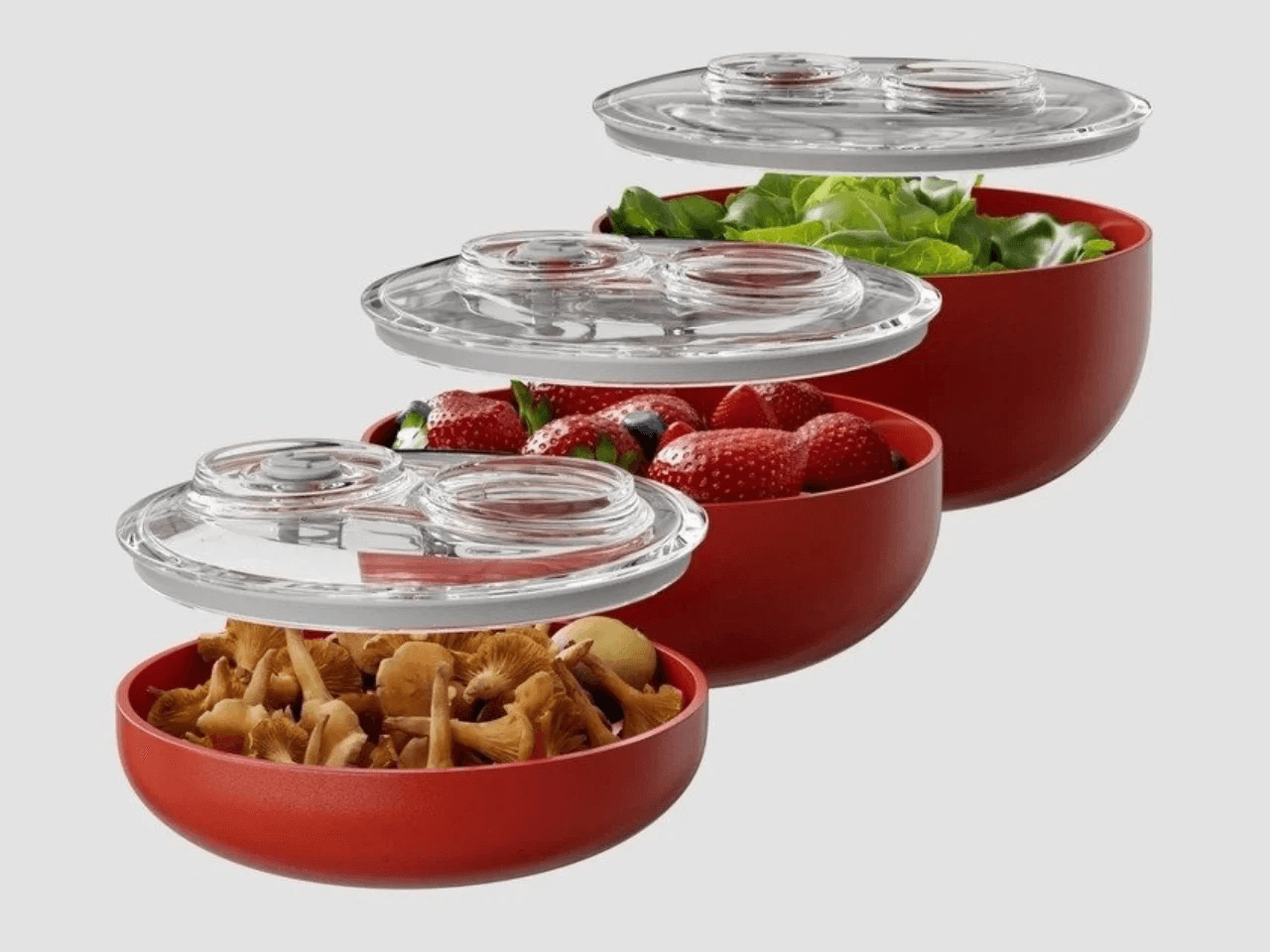
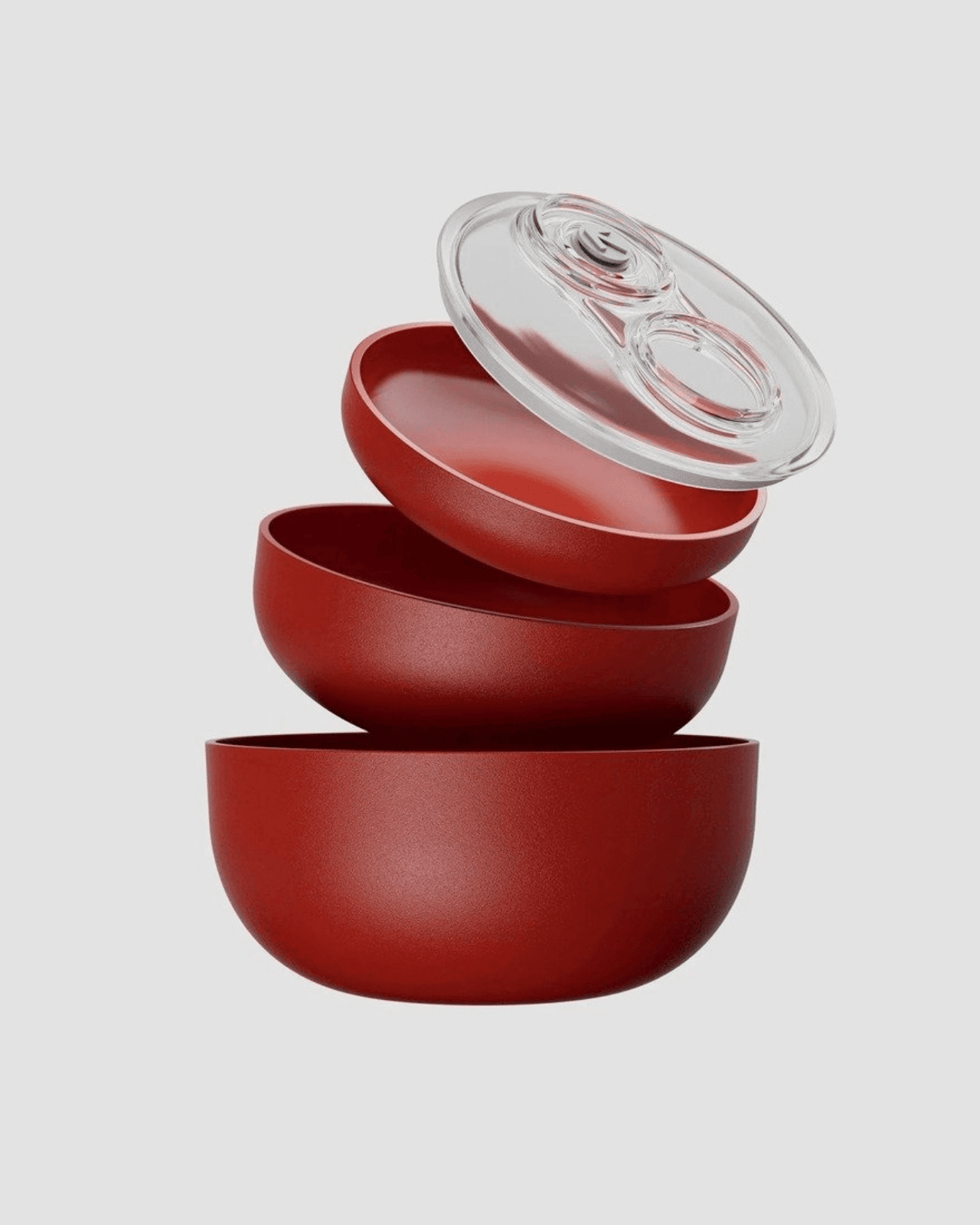
The DRO!D is a stack of airtight food storage containers. They are beautiful to look at however I don't know if my mom or wife would care about it much over the Borosils and Tupperware locking ones. They look more like a Teenage Engineering speaker than Tupperware.
Anyway, this is interesting piece of inspiration because we make appliances for kitchen as well and are in constant pursuit of making things look beautiful than just designing for utility. Accessories, bottles, mounts, etc. they can be like Joseph Joseph - solves for function, but are aesthetic as well.
4. How headphones are used
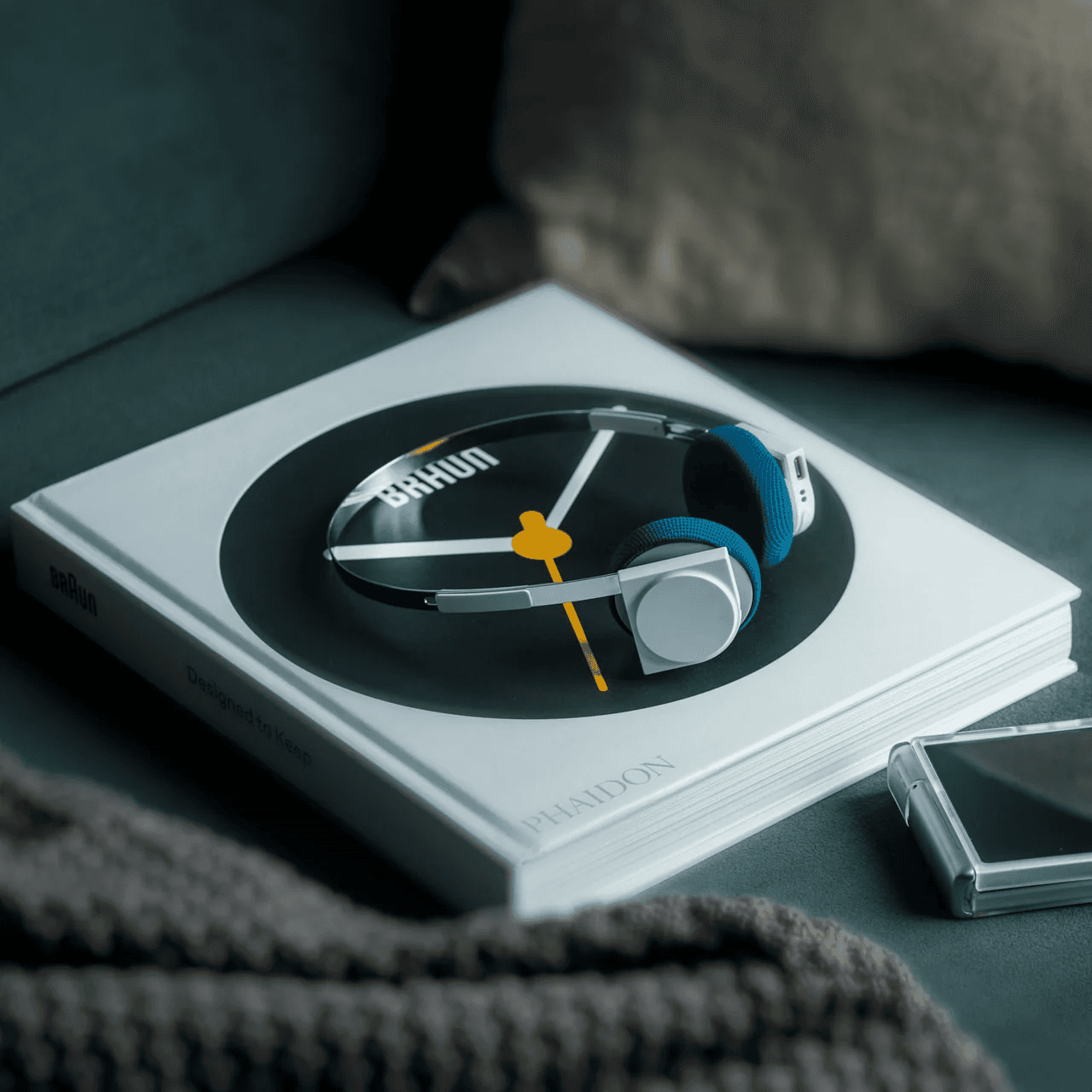
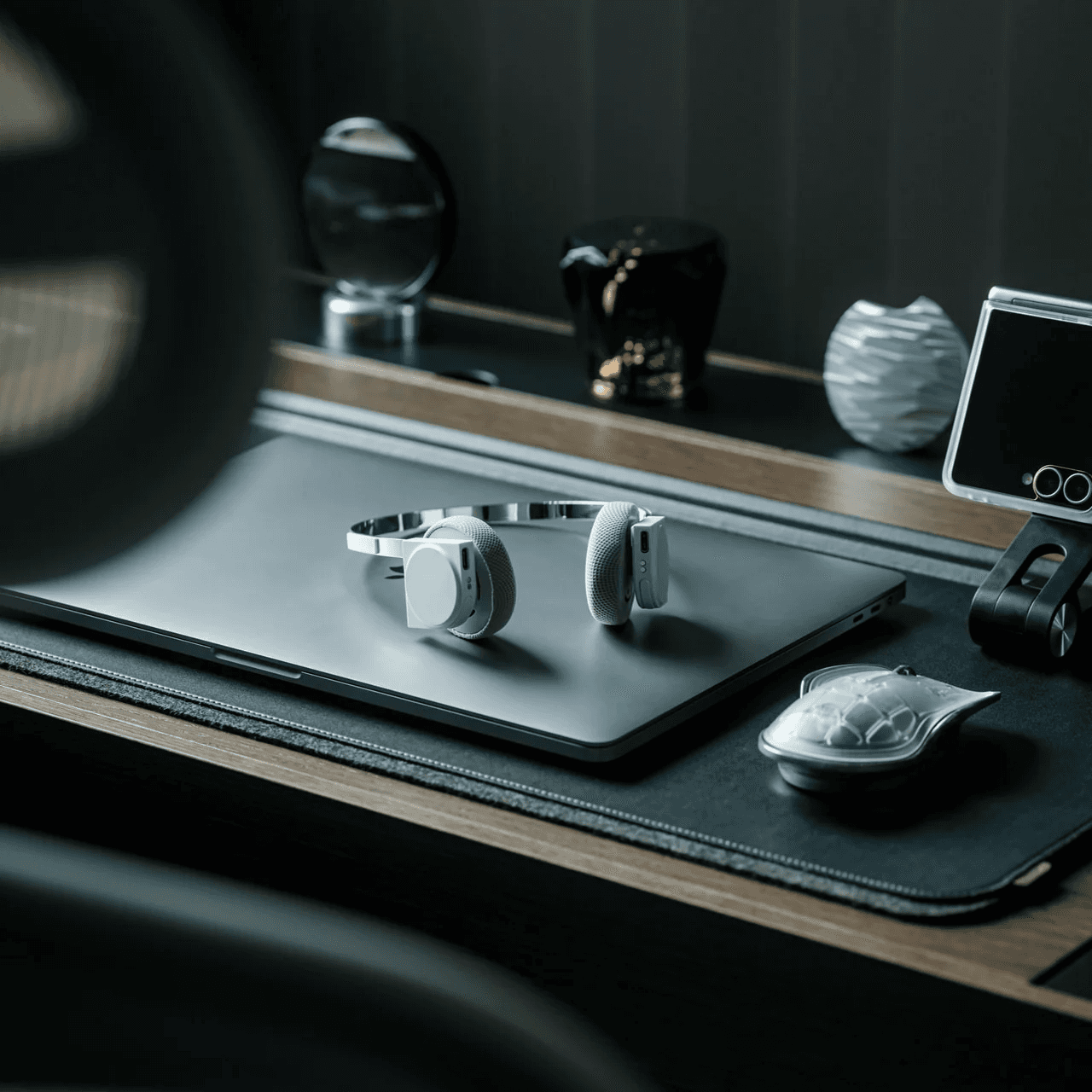
Headphones spend most of the day around the user's neck. However, if you watch any product development video of headphones from the OEM, they'll focus a lot on the intended primary use - over head.
This is the second posture really. Yanko's blog post was really good to observe this small, tiny insight that is usually overlooked in design. Makes sense, right? The pads end up turned forward, where the chrome trimmed headband rubs on a jacket collar.
This is the kind of observation that changes a brief once you've seen it. It's one of the fastest design improvement on a finished product because with the finished product, you can find poses nobody drew for, and headphones are one of the cleanest examples. Read the post here.
5. Casio's new G-Shock CMF comes with a backstory
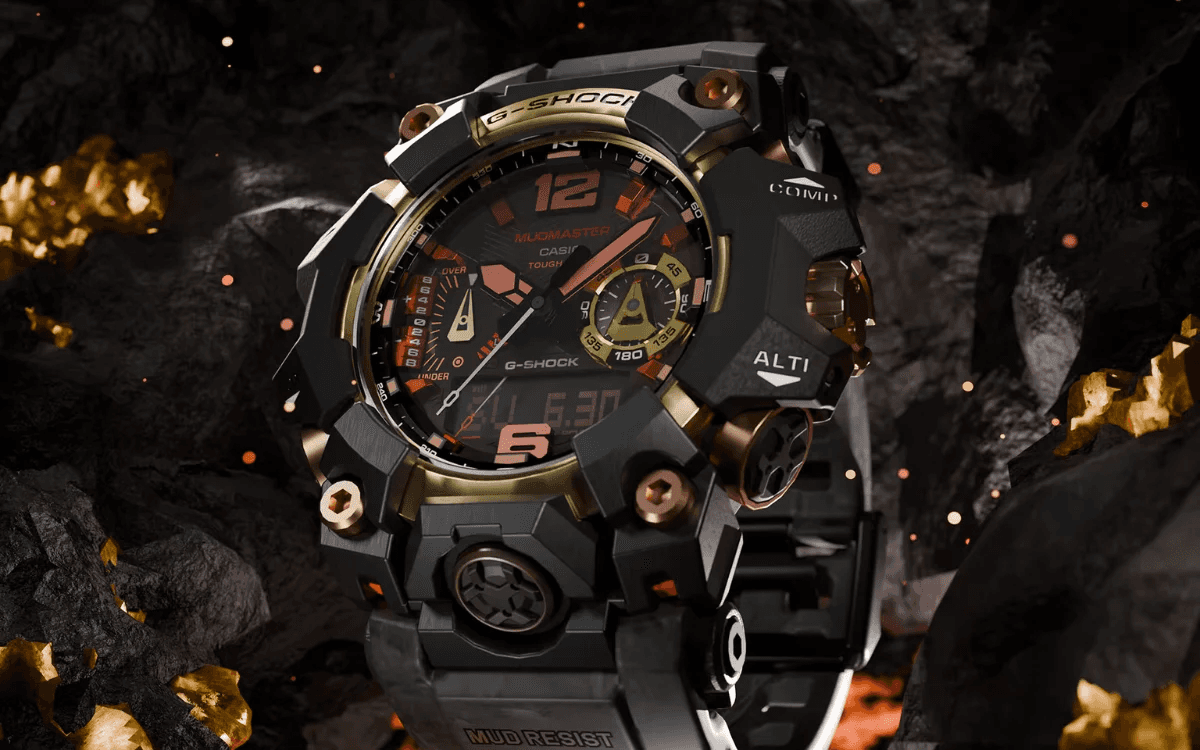
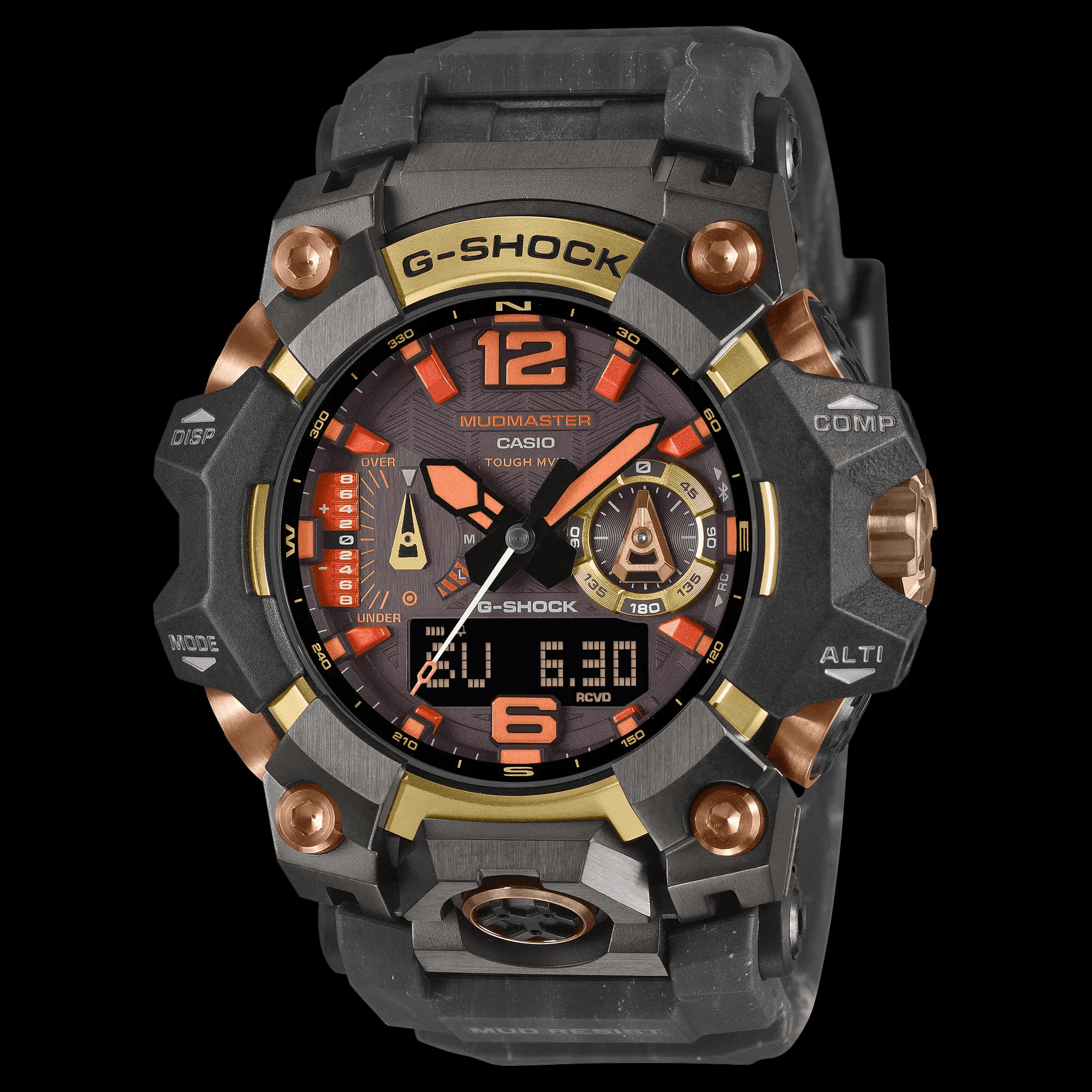
The Mudmaster GWG-B1000MG-1A9 is a G-Shock with a magma-inspired CMF. The bezel has streaks of red and orange under a textured grey. The strap edges fade to black. Casio describes it as inspired by lava flow. There's no functional change from the previous Mudmaster.
This is what a CMF drop looks like when the company has actually invested in giving it a name and a backstory. A lot of Indian hardware brands ship CMF giving it generic names like Midnight or Granite and leave it at that. Casio writes a paragraph about the volcanic reference, ties the orange in the strap edge to the cooled crust, and the buyer feels like they're buying a thing with a thesis. It's not much at the surface but this becomes a short story for the buyer to tell their friends when asked. It's a small conversation starter. It's a small piece of tale that can probably contribute to some word-of-mouth.
6. China bans flush car door handles
Thankfully, my car doesn't have flush handles. I hate them. Why? For a later post.
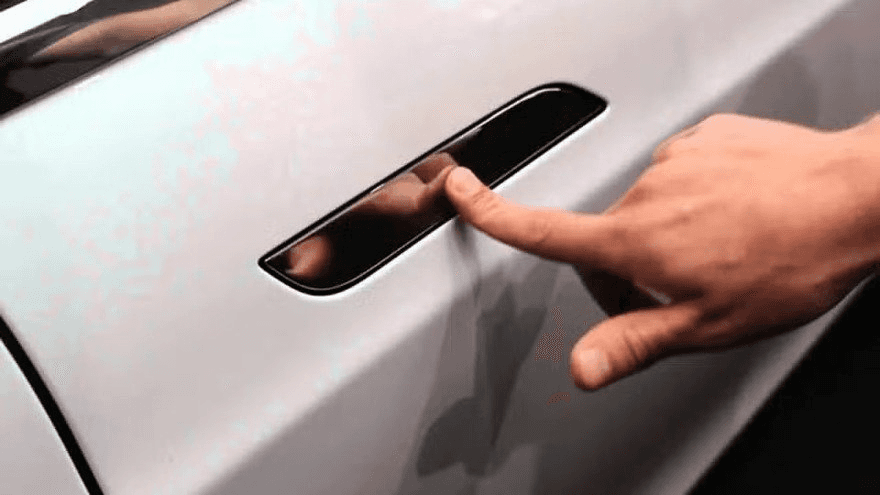
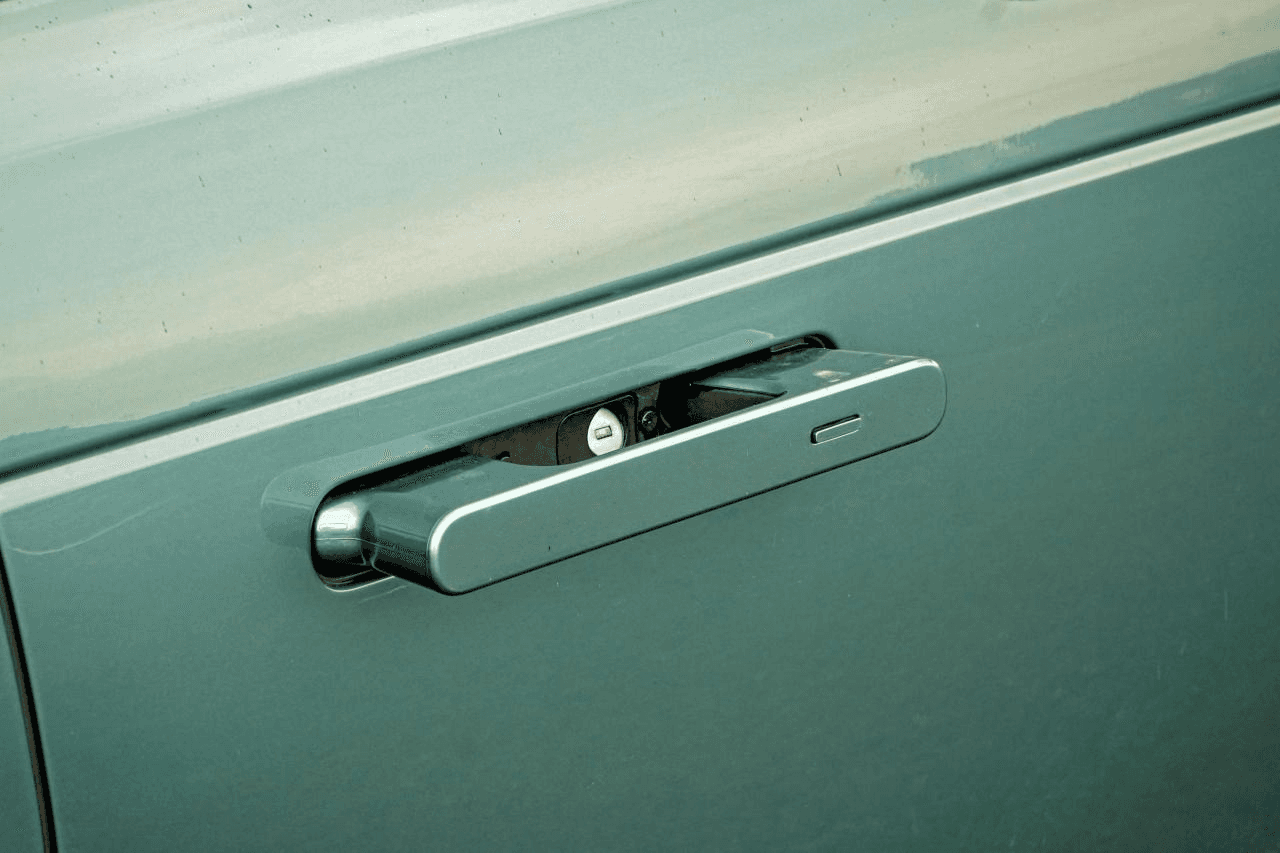
The handles retract into the door for aerodynamics. After a crash, in a power loss, you can't pop them out. People have died unable to open a door they were sitting next to. The regulator stepped in because the design language got ahead of the failure mode. Remember the keyless first batch of OLA scooters?
The flush handle is the single most over-designed consumer-hardware affordance of the last decade. And equally unnecessary. It got copied because Tesla did it. Tesla did it because the wind-tunnel saved 0.3% of range. The handle works fine in normal driving and fails the one situation where the door has to open without electricity.
Don't over-design what's not absolutely required and always keep a fail-safe.