1. Singapore turned its country into a permanent test bench, and made the case that prototype is the product.
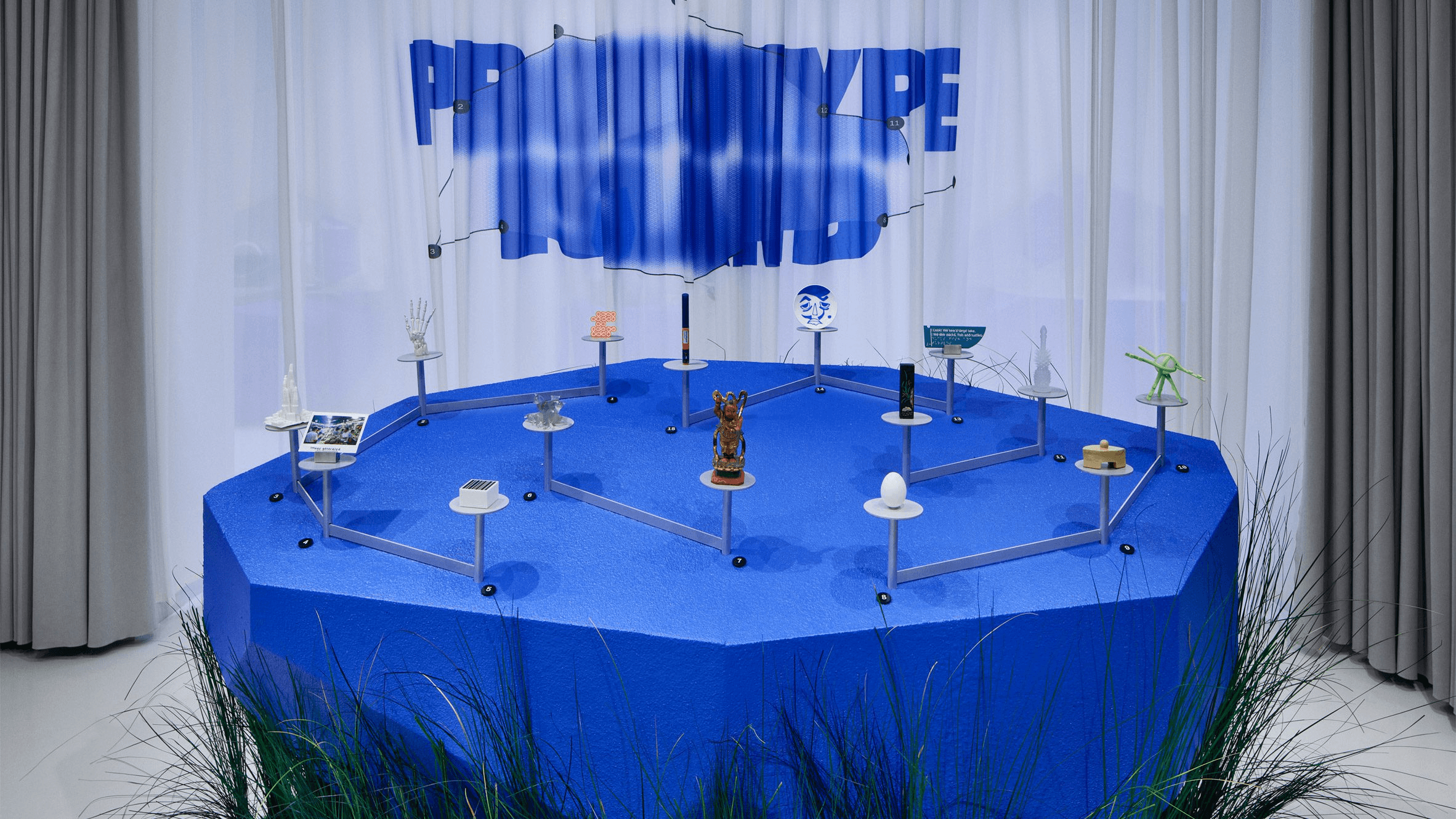
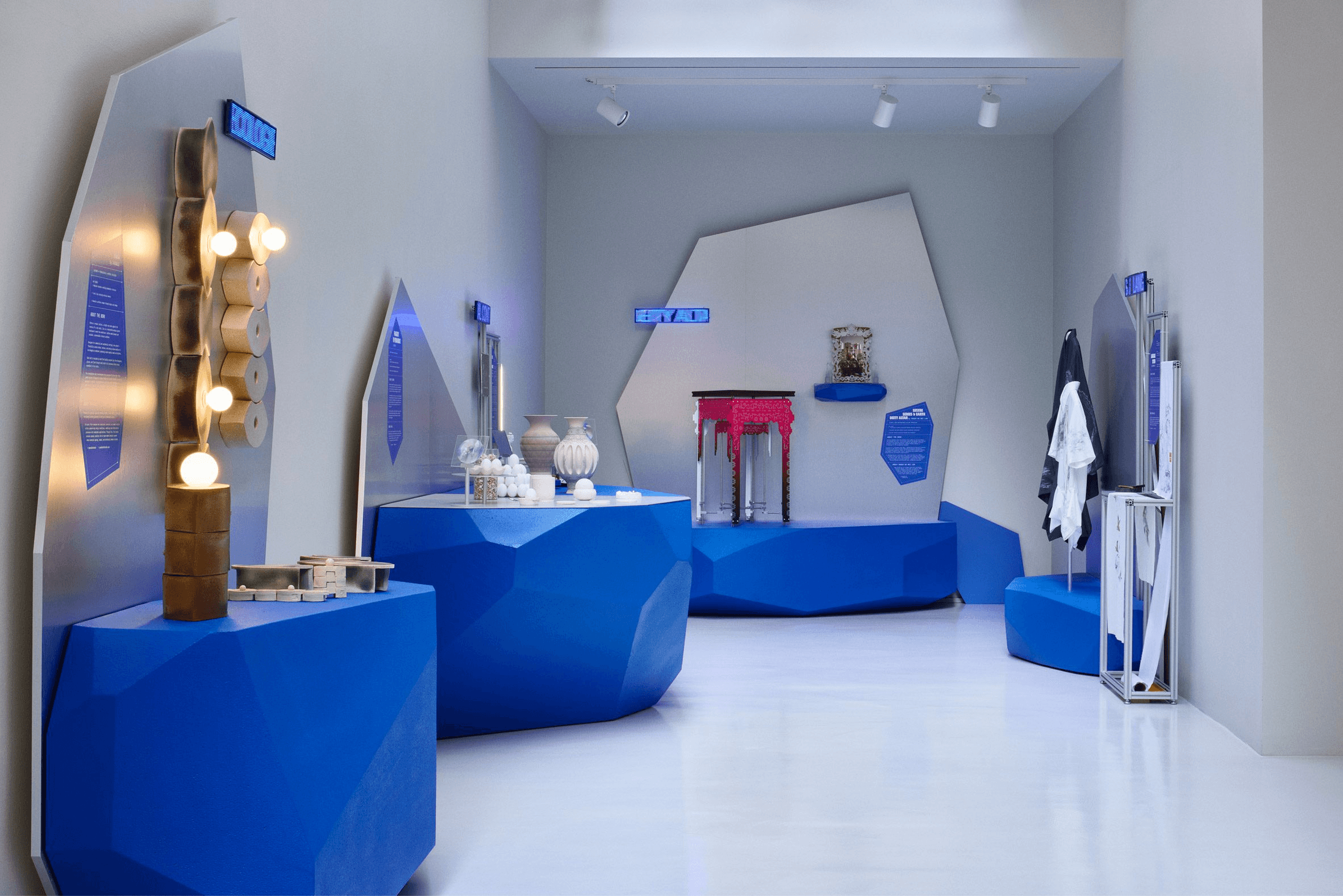
I visited Singapore once for a work trip in 2022. I liked that country. I wanted to visit it again soon to experience Red Dot Museum. Now, I found another reason. Recently, Singapore Council unveiled Prototype Island at Milan Design Week, curated by Hunn Wai of Lanzavecchia + Wai with Eian Siew and Maria Cristina Didero.
Okay, quick context before reading more. I've been fiddling with the idea of Demo culture at Native. Wouldn't it be great if we start off with multiple, innovative and utopian concepts and then build towards it? You can read about my thoughts here.
Anyway, fifteen designers put up some really cool prototypes. There's Tusitala's 3D-printed Braille picture book. Celeste Seah's AI memory-prompt system for dementia. Reynard Seah's plant-cell-inspired flexible joint. Parable's reconfigurable ceramic furniture.
The closest cultural-curatorial parallel I can think of is Japan's design-as-process register from the late 80s, but applied to a small-state thesis: small-country design culture has to ship the ninth iteration when the rest of the field stopped at the third.
Sure, the investor narrative for Native would be the handful of products we keep launching but the culture of innovation would come from the eight prototypes we built as concepts and did not make to production. Prototype should be the product. We'll just choose to ship the ninth iteration.
This is a good story from Singapore because it tells you that the visible products are the launches but the actual product is the iteration discipline behind them.
2. Take these CMF inspirations. Please think beyond the safe basics.
Basics are safe and minimal and good and clean and neat and a lot of things, yes. But it's also a designer's bias. I personally like minimalistic stuff but I also think of a composition and not just an object in isolation.
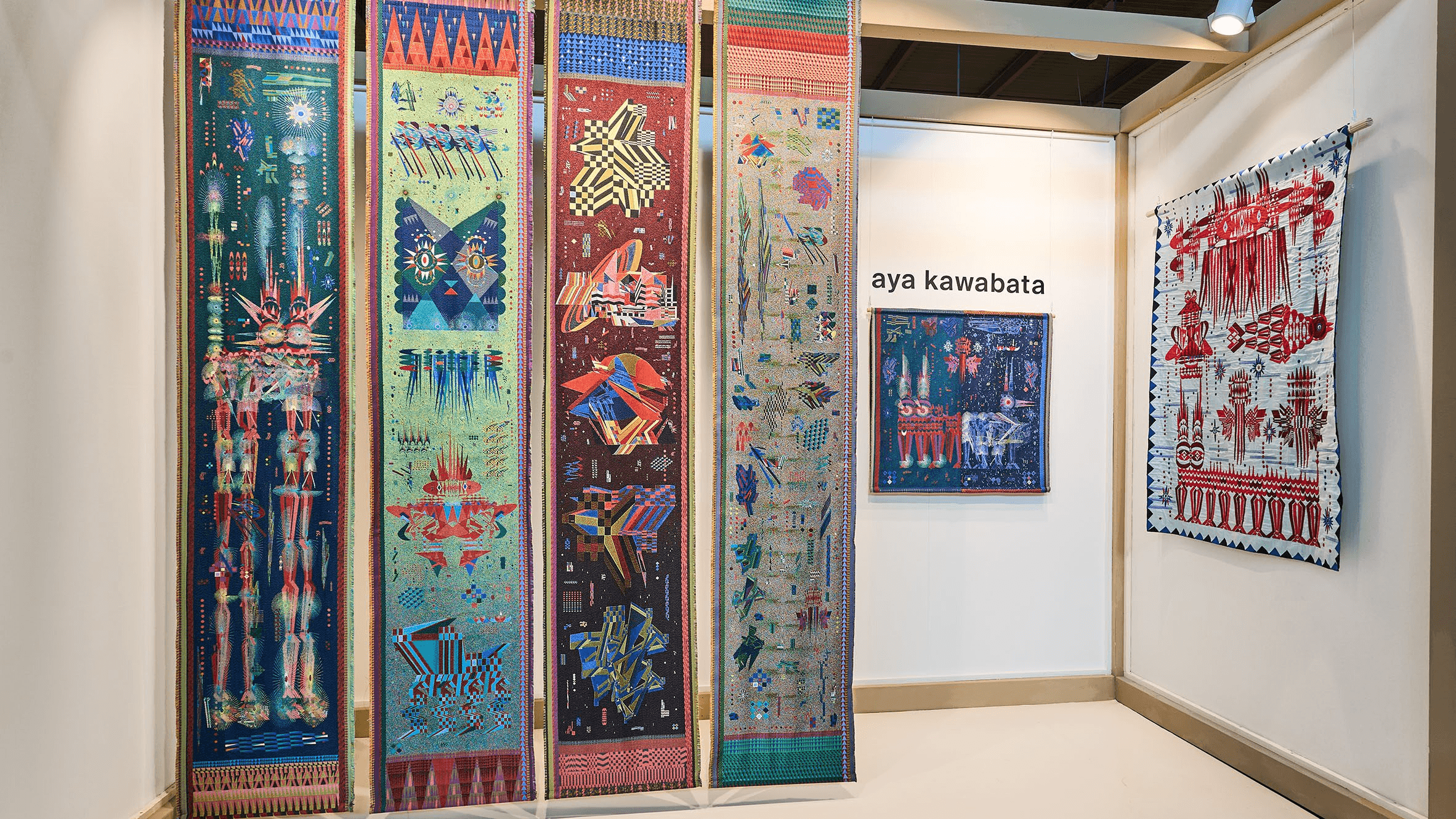
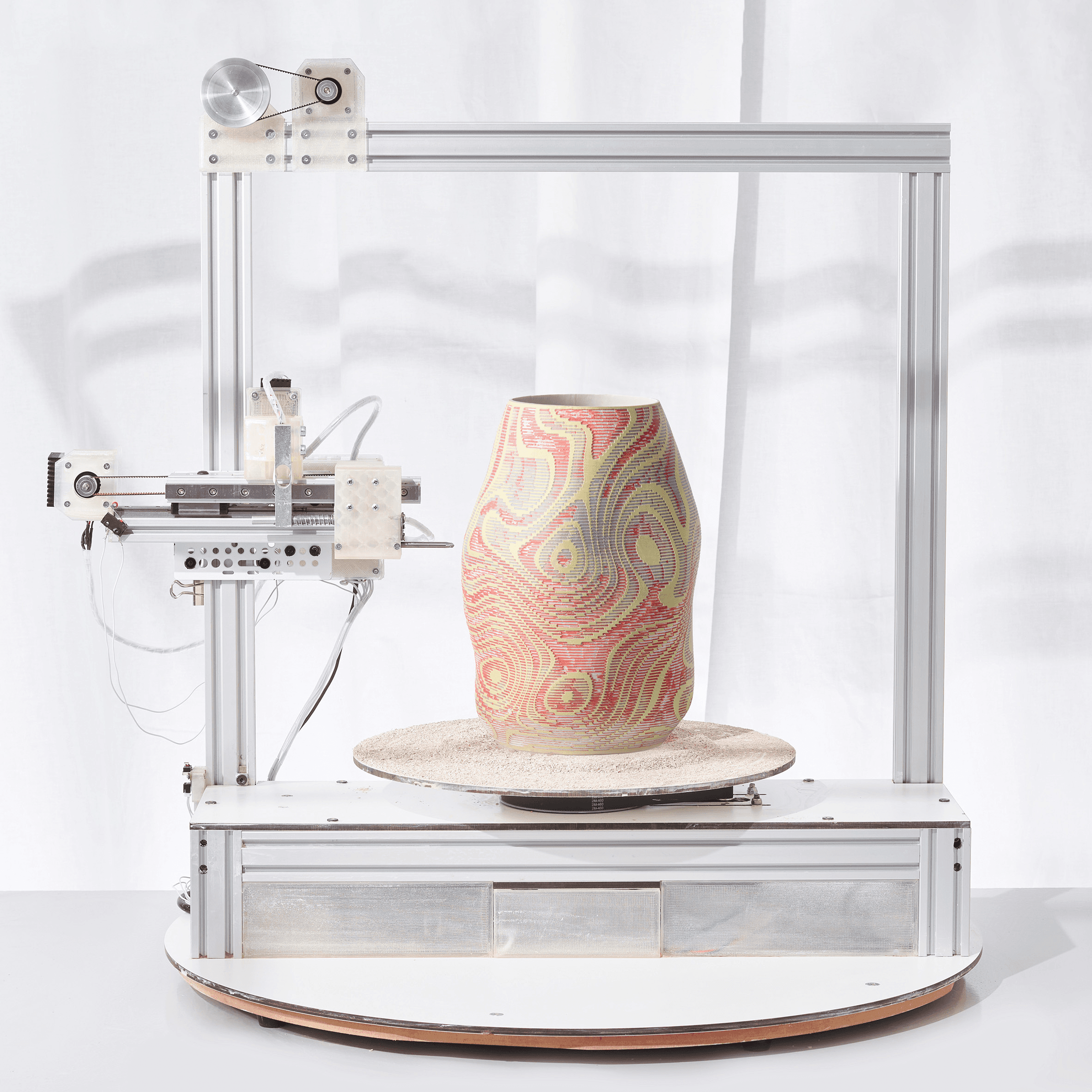
Dezeen contributing editor picked her top 10 designers who are doing something unique. And look at them! They're amazing and unique. There are tapestries made from only five thread colours, composed the same way music is composed; with rhythm, structure. There's a robot arm that "feels" porcelain like a craftsperson. And many more.
I like this because it's the inverse of the Native ID team's default. Native specifies the surface to a tolerance the moulding house can hit. The CMF brief is "safe and no dramatic variation."
We are already in a category of 'boring' appliances. Let's give customers something interesting.
3. Native anniversary idea
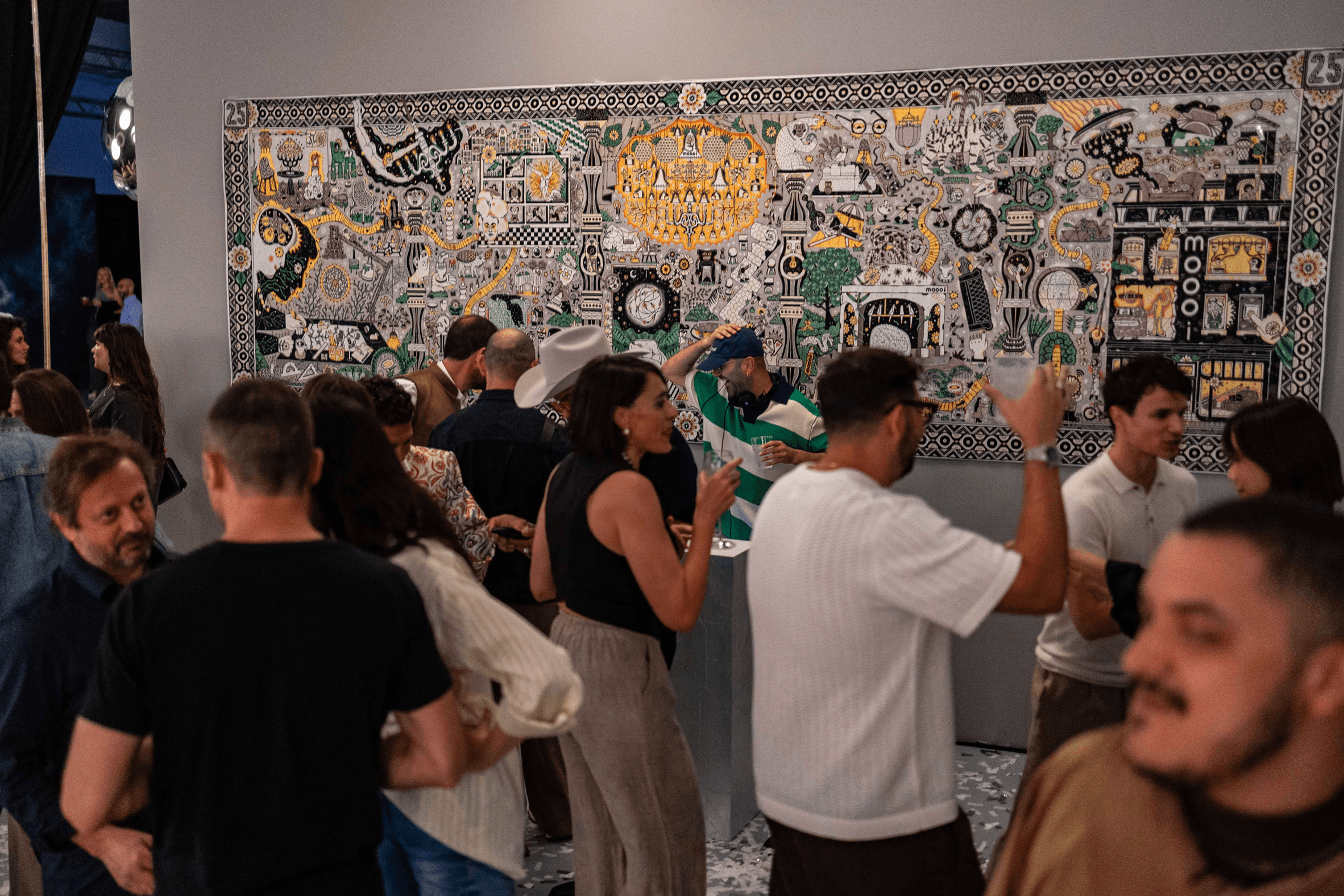
Moooi is a Dutch designer brand. To celebrate their 25th anniversary, they did a massive installation at Milan Design Week. Read about it here. From the pictures, it's quite exorbitant and 'fancy' as you'd expect from any installation at Milan Design Week.
What this got me thinking is about how brands or organisations celebrate their anniversaries, brand birthdays etc. One temptation I had was to publish a coffee-table book of the journey so far. But this gives an idea to go beyond. The closest Indian parallel I can think of is Titan's recent gold-jewellery brand consolidation, which rolled the brand history into a new design-language launch. Native could do this at year ten. We could probably do a smaller version at year five.
In this magazine because the Native year-five birthday is in 18 months and the team has not yet decided whether it is a coffee-table book or a launch surface. Probably scheduling the next category launch could be on our birthday. Press coverage would be cheaper and narrative will definitely be sharper.
4. A 3D-printed PETG spring works. A PLA one doesn't.
I'm planning to buy a 3D printer. I've picked the Bambu Lab X2D and am waiting for it to be available in India. Naturally, I follow a lot of makers on Instagram and bookmark a ton of cool toys and stuff that I could make at home.
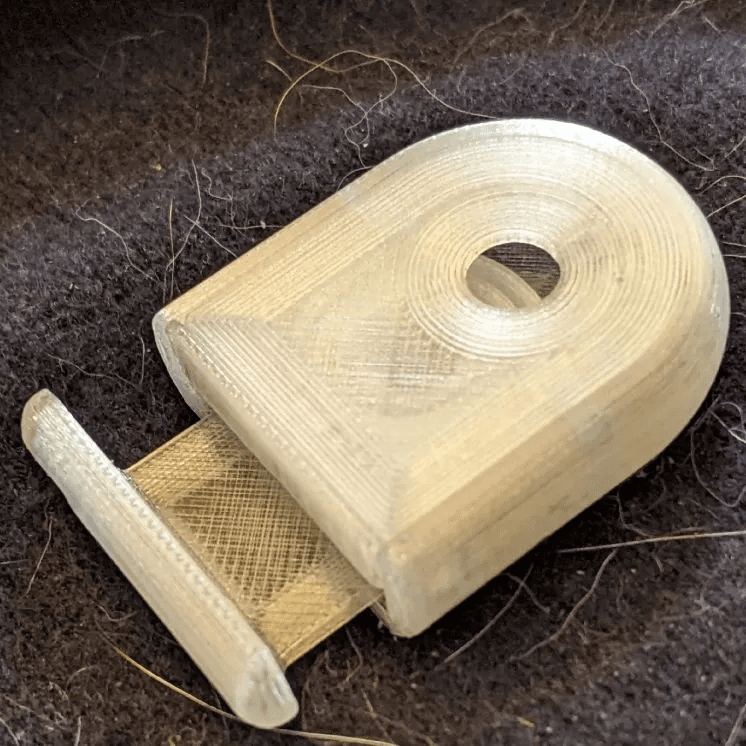
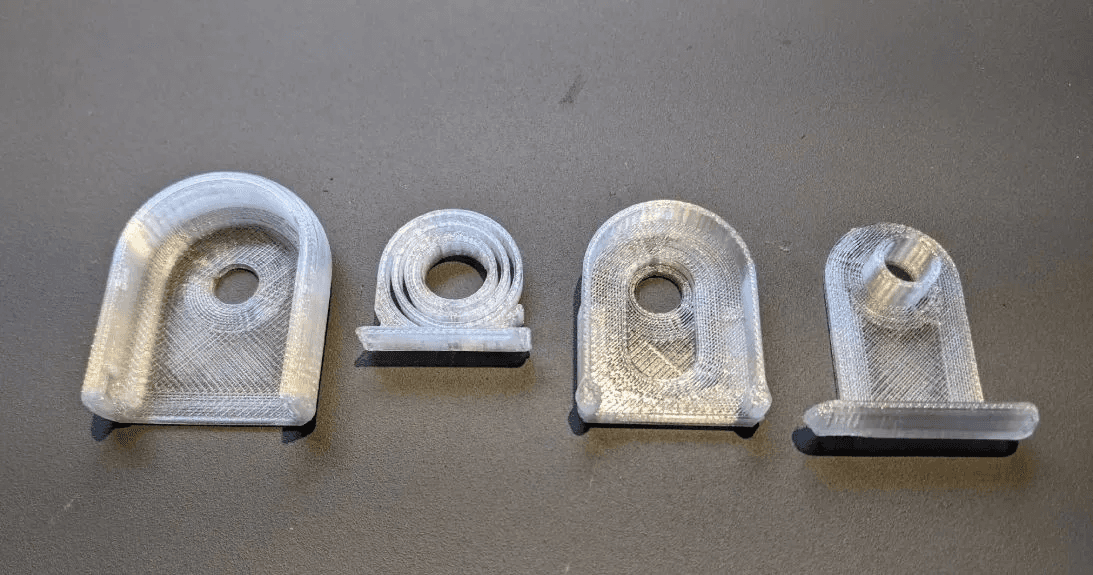
I'm also a tinkerer in a way that reduces number of parts in a machine and if there are ways to prototype concepts in-house before we start CAD drawing for a full-fledged product. One maker [neotoy] published a fully 3D-printed cord toggle whose internal spring is a printed spiral compliant element rather than a metal coil. It's a simple learning that I thought is worth sharing. PETG holds spring force across many cycles while PLA permanently deforms within days under sustained stress. Any plastic spring eventually creeps under constant load.
There are a lot of applications of this in the kind of products we build given two points of views are there. The mechanism itself to be tested with plastic prototypes and second, if the shape retention after deflection fails, we should simply move to metal-coils.