
1. Foster + Partners designed a door handle with meticulous research
FSB is a fantastic place to study and learn about door handles. I feel sad that I discovered it just today. There are many ideas I immediately got on how to build our next smart lock product or some specific things I'd have done differently.
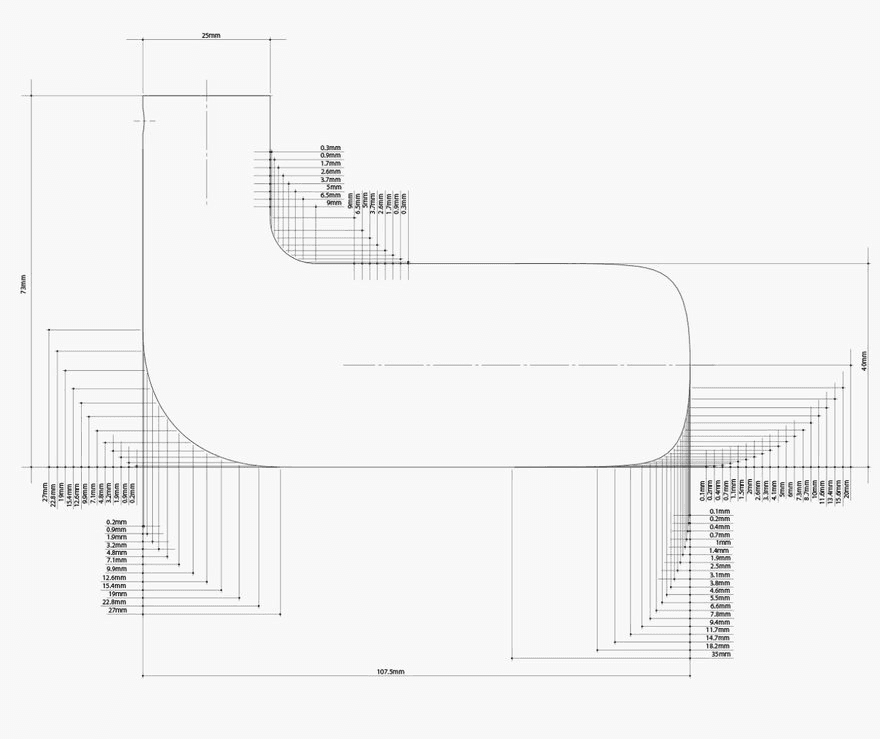
Anyway, they designed a new door handle - the 1292 line in collaboration with FSB's century-old door-hardware studio. It has a slightly dropped lever, a thicker rosette, a finish range from satin stainless to dark bronze, all engineered around the moment your hand finds the handle without looking.
Foster + Partners spent (I would estimate) a thousand hours on a lever shape because they treated the lever as the first hardware moment of the building, of the house. This is the framing I have not been able to articulate clearly to my own team in three review cycles. Now I know.
My takeaway is that the next Lock Ultra ID review allocates hours by user-touch frequency, not by visual areas.

2. Hitachi-JCI's airCloset and the Scroll AC filter both won Red Dot Concept this year, and they are arguing for two different things at once.
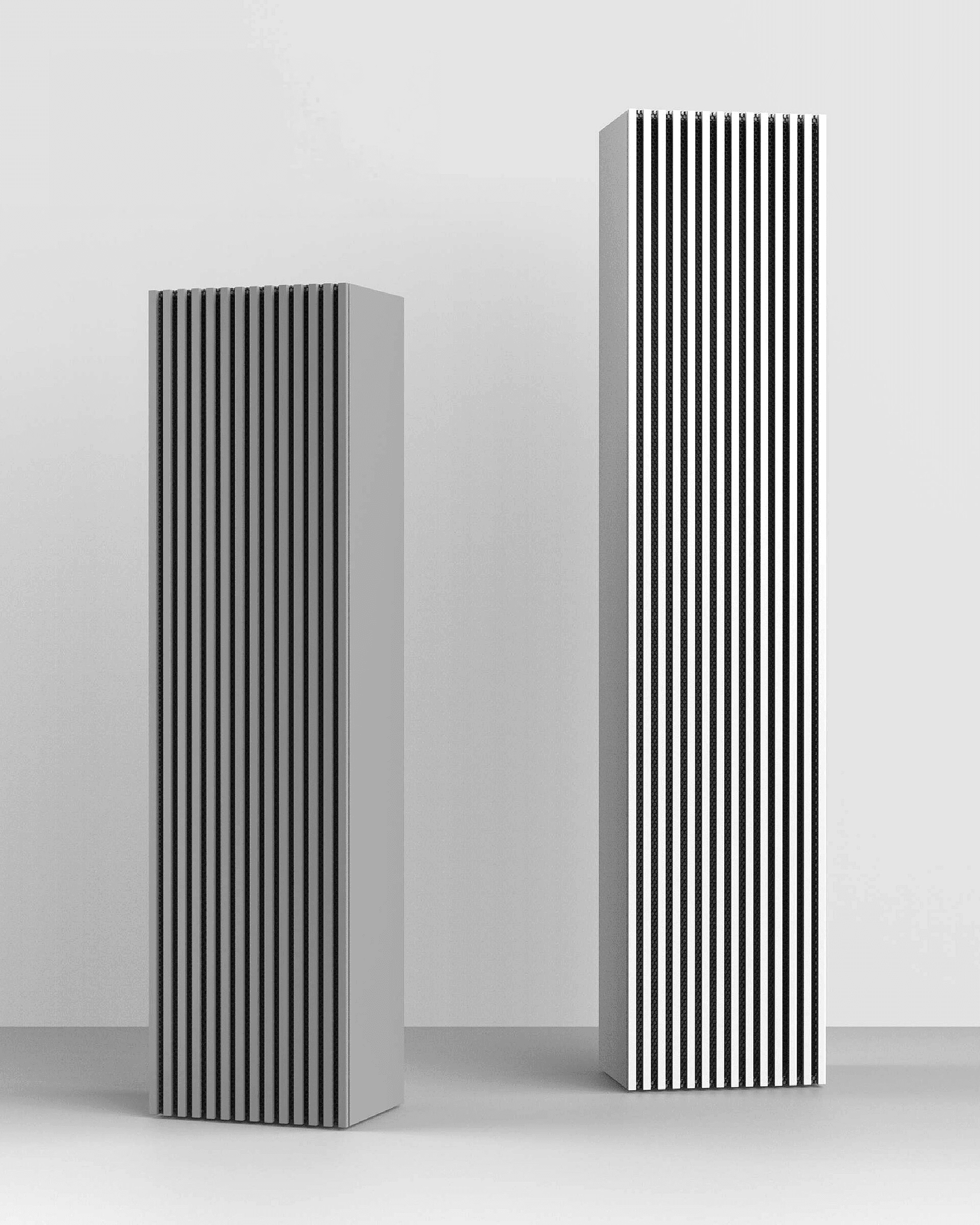
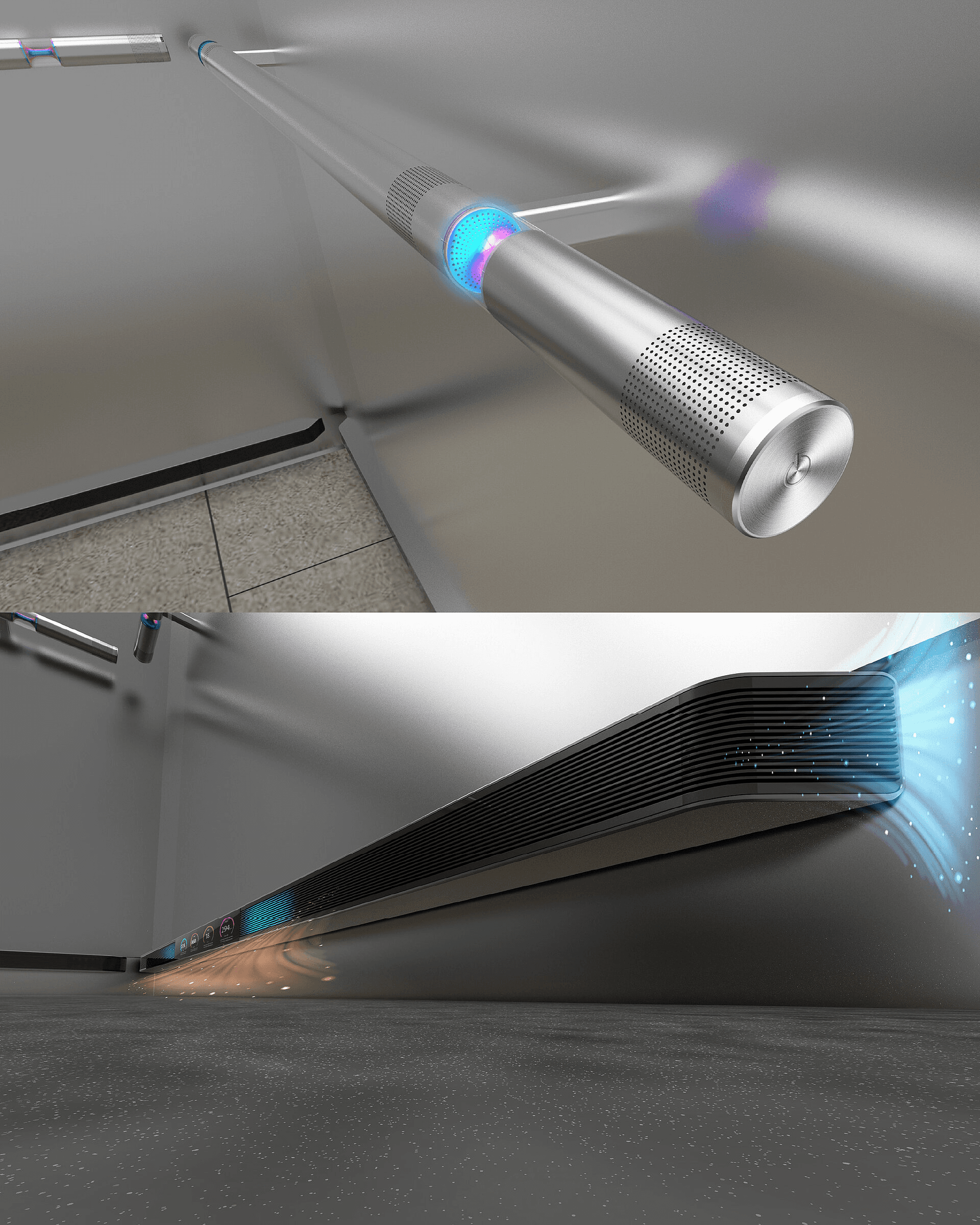
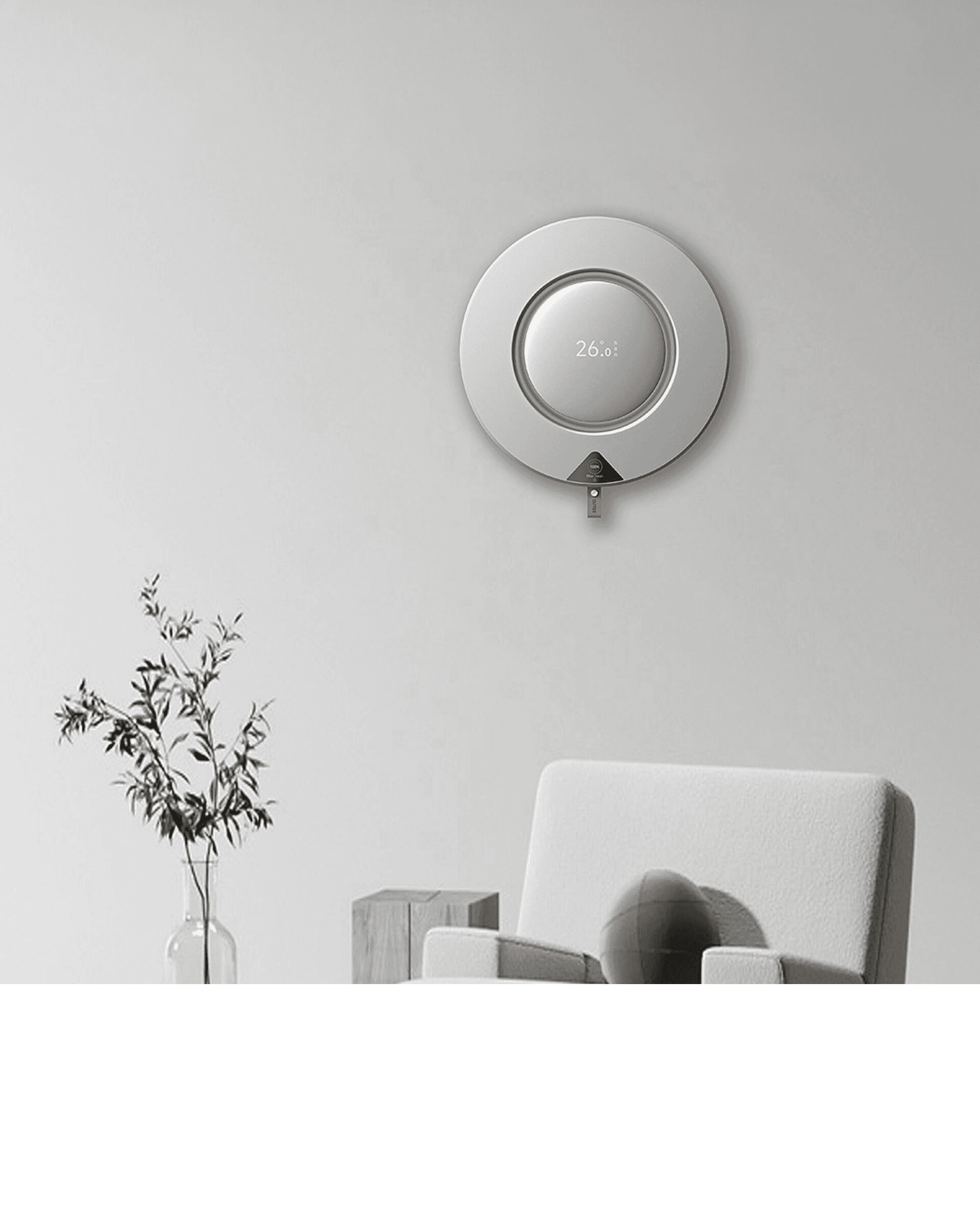
One of my favourites categories in The Red Dot Awards is the "invisible infrastructure." Because it opens up a lot of ideas on how to camouflage objects while they continue doing the job. This year, Hitachi-JCI's airCloset reframes the indoor AC unit as a piece of vertical-cabinet furniture with no visible grille, designed to disappear into the room. The second product is Scroll, designed by a Korean studio I had not heard of, which does the inverse: a tape-measure-style side-pull cassette filter on a ceiling-mount AC, with a small status screen showing the filter's life. The filter access is the visible feature. You slide it out of the side like a roll of measuring tape.
My favourite is the air purifier in the elevator grab handle.
A good framing to include in our next product brief is how important is a component of the product or the product entirely to decide invisibility. E.g. is the filter invisible or is the filter the product?

3. The agentic-engineering wave
I plan to cover more on this topic in future but once I've formed a useful point of view. See, LLM agents have transformed software workflows (Cursor, GPT, Claude Code) and have barely touched mechanical engineering, electrical, and supply-chain workflows. The list of why is roughly: CAD parametric files live in proprietary file formats nobody trained on, GD&T is hard to verify automatically, PLM data is locked behind vendor SDKs, sourcing emails are person-to-person. And much more.
I want to compress design-review cycle by 30-50%. Onshape's API is the only mainstream CAD with an LLM-friendly handle. Aragen's beta of an FEA agent runs convergence studies overnight. I'd want to start here to explore.
A clear next step is making the R&D "agent-ready" with audits of CAD, sourcing, FEA workflows. Tools like Onshape, OpenBOM or a thin Solidworks wrapper are good starting points.