1. Cardboard hinges
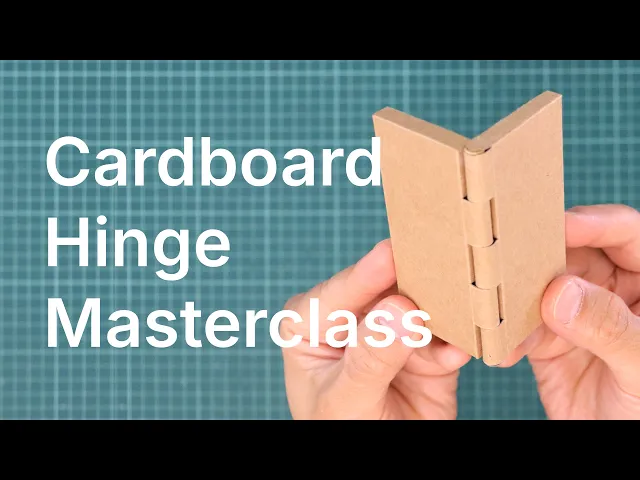
This video is a neat little masterclass in treating corrugated cardboard as a mechanical material, not just packaging. The maker walks through five hinge designs that all use the fluted core in different ways. Watch the video start to finish instead of jumping to different chapters because each step here upgrades the "intelligence” of the hinge: from just gluing on a flexible strip, to hiding the mechanism inside the geometry, to using alternating tabs and voids to engineer precise motion.
If you think in terms of use cases: the basic craft-paper hinge is great for everyday lids and boxes like, storage bins, anything that only needs to open to 180° and is easy to repair. The seamless hinge is what you’d reach for in premium-feeling packaging or a briefcase-style box, where you want a clean back edge with no visible add‑on.
The Kamichoban hinge is perfect for things that need to fold both ways or open fully flat, like folding screens, modular organisers, or cabinet doors that swing wide. The flush hinge solves a very specific problem: doors and panels that must sit perfectly level when closed, like a mini cabinet or a front panel on a foam board prototype. And the interlocking tab hinge is the advanced one you’d use when you want a small, durable pivot like a pivoting pencil case lid or rotating compartments.
I could instantly think of a cardboard only packaging where we could use one of these to design a great unboxing experience.
2. A 3D-printed unpickable lock
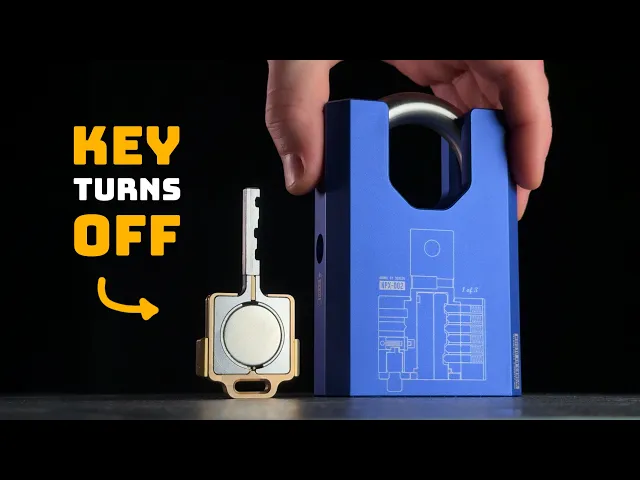
Works By Design spent a year iterating a pin-tumbler lock with a hidden travelling keyway. We all know the problem statement.
There seems to be a solution now. Instead of the key sitting in line with the pins where you can touch everything with a pick, the key slides in and is then rotated away so there’s no straight path from the outside to the pin stack. A magnetic coupling, inspired by switchable magnetic bases, lets the handle detach while still transmitting torque to the “hidden” key blade inside. The result is that you can’t probe and feel pins in the usual way, and even bumping attacks are addressed with an added internal mechanism.
3. Rake inspired benches
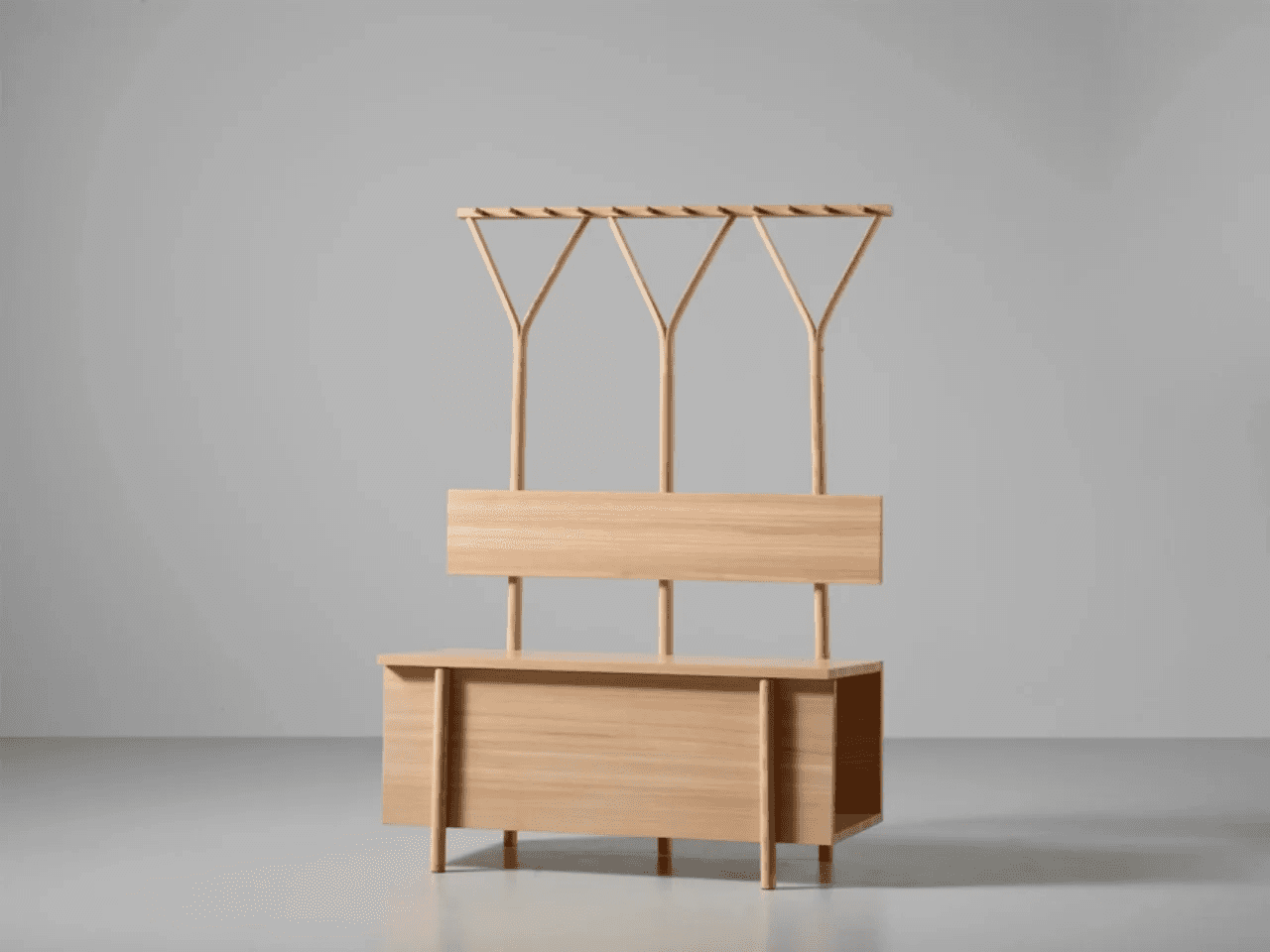
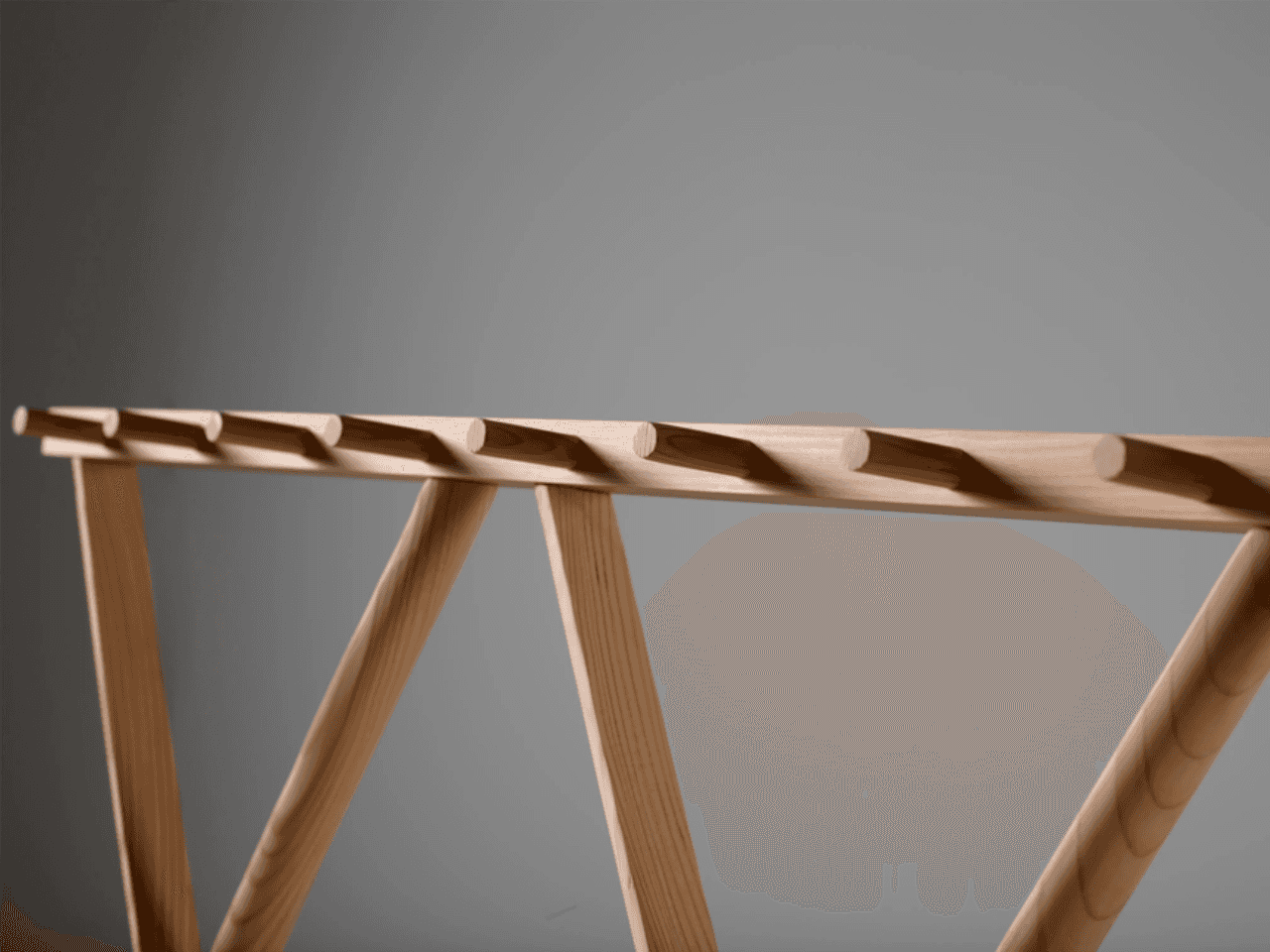
An Italian designer took an Italian hay rake and designed benches inspired by the original form of hay rake. A low solid-wood bench whose seat doubles as a horizontal bar with upward-pointing pegs that act as hooks for coats, bags, scarves, umbrellas. You could keep it at the entryway as an organiser. It can also be a room divider when kept in the centre of a room. It breaks the generic coat-hanger and bench combos you get at Muji or IKEA.
We could collect historic or industrial objects in the domain of product we work on, keep the geometry as inspiration and may be create one component to reflect the original without modifying much.
What could chopsticks become?
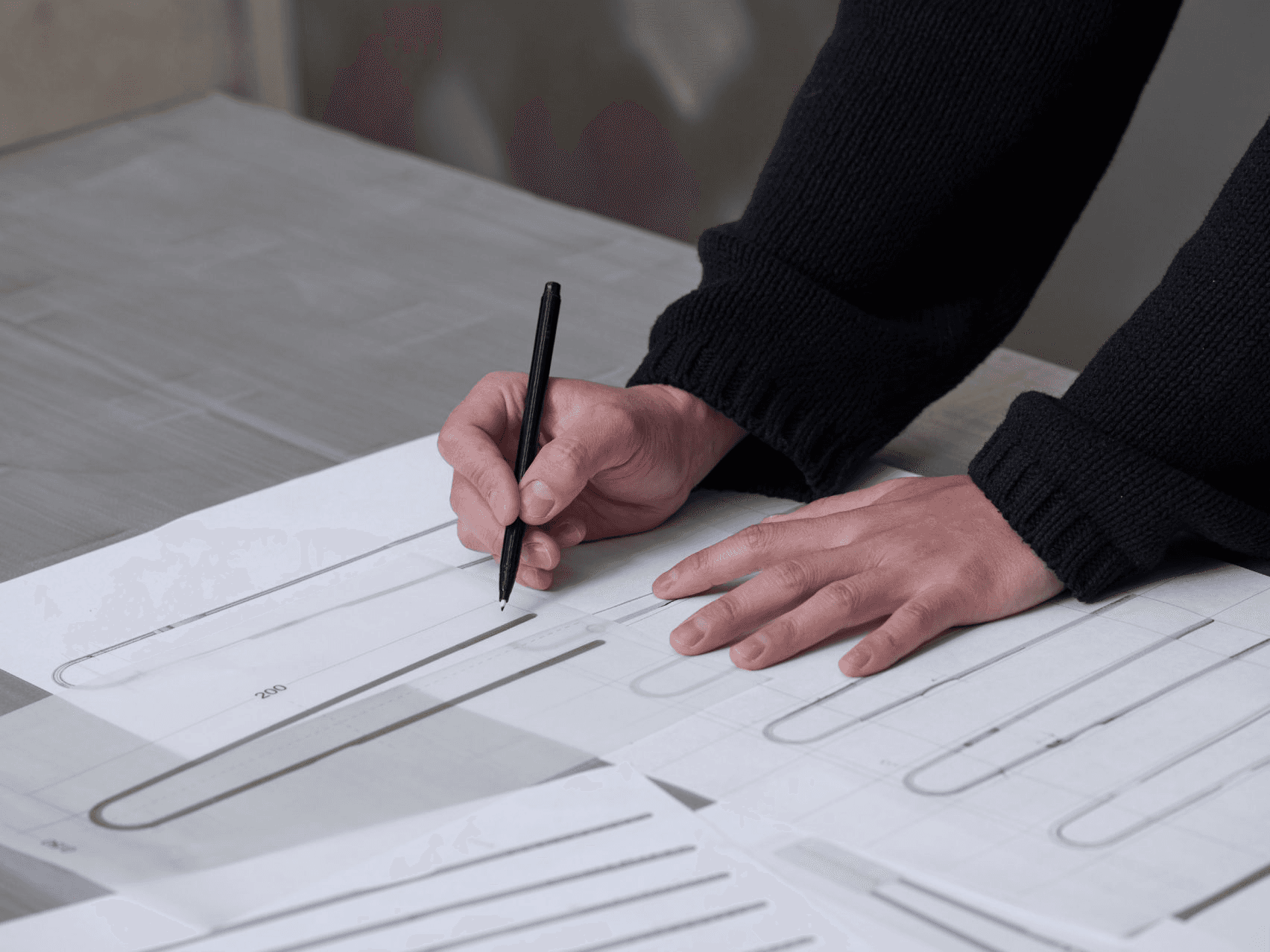
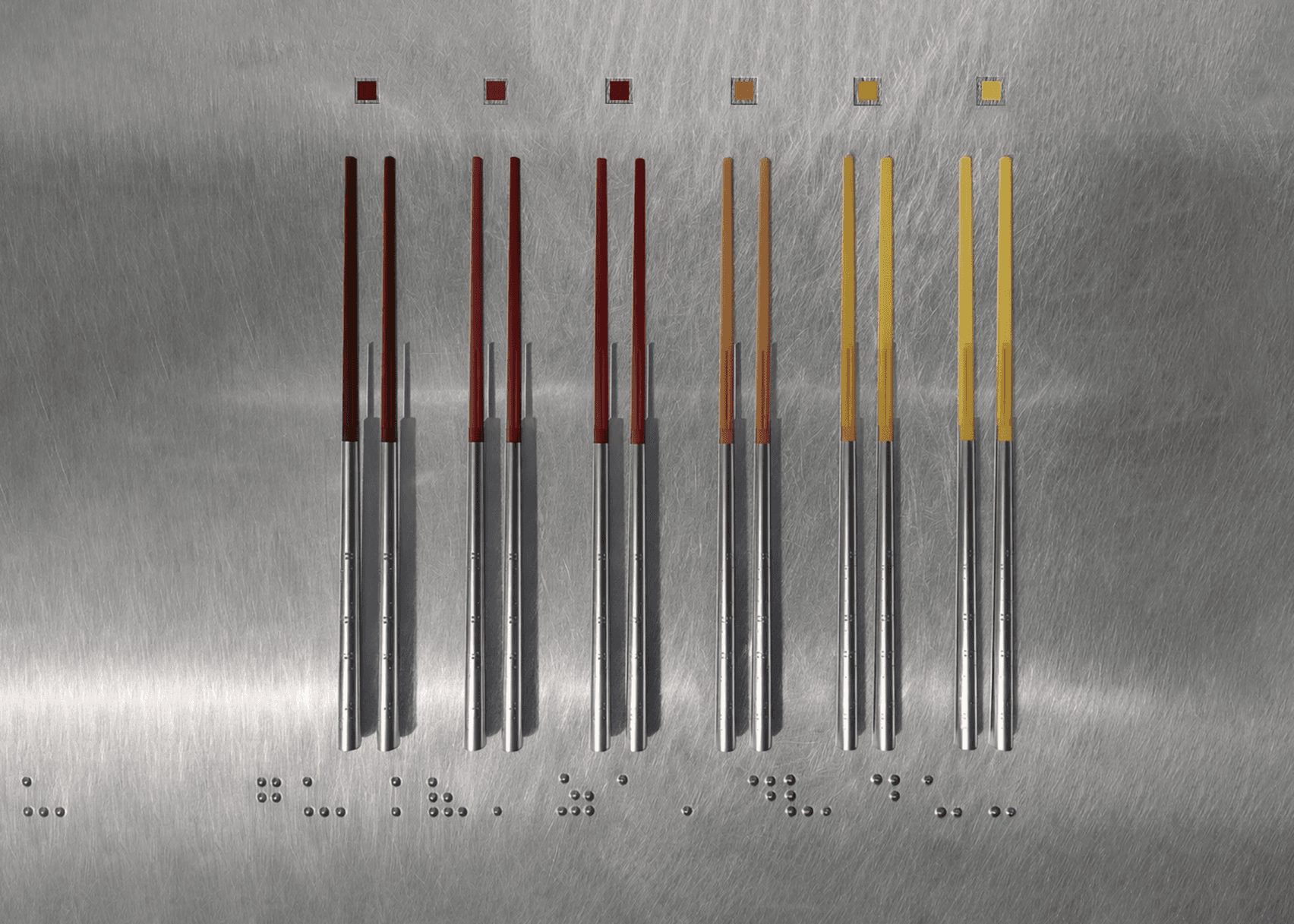
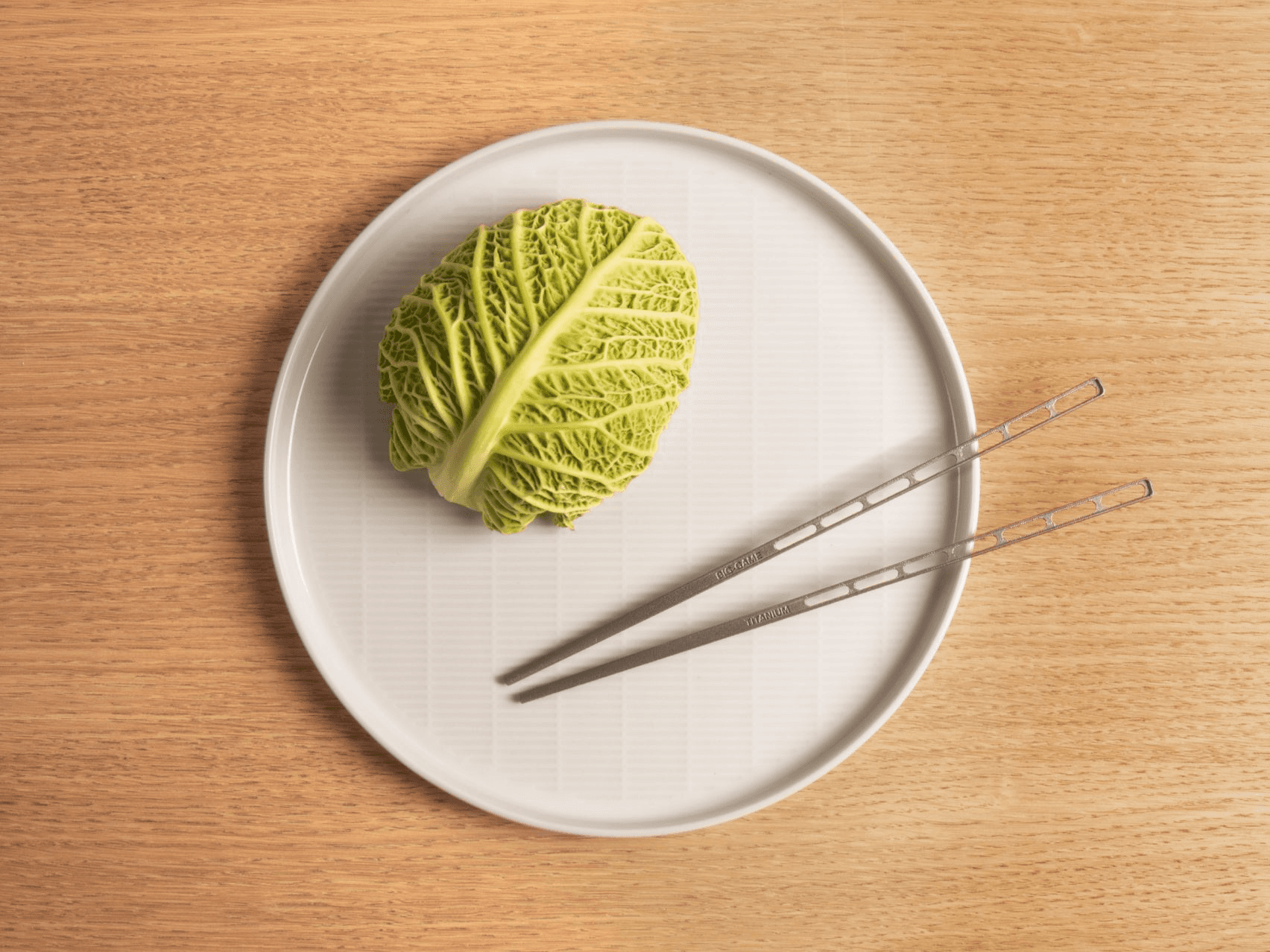
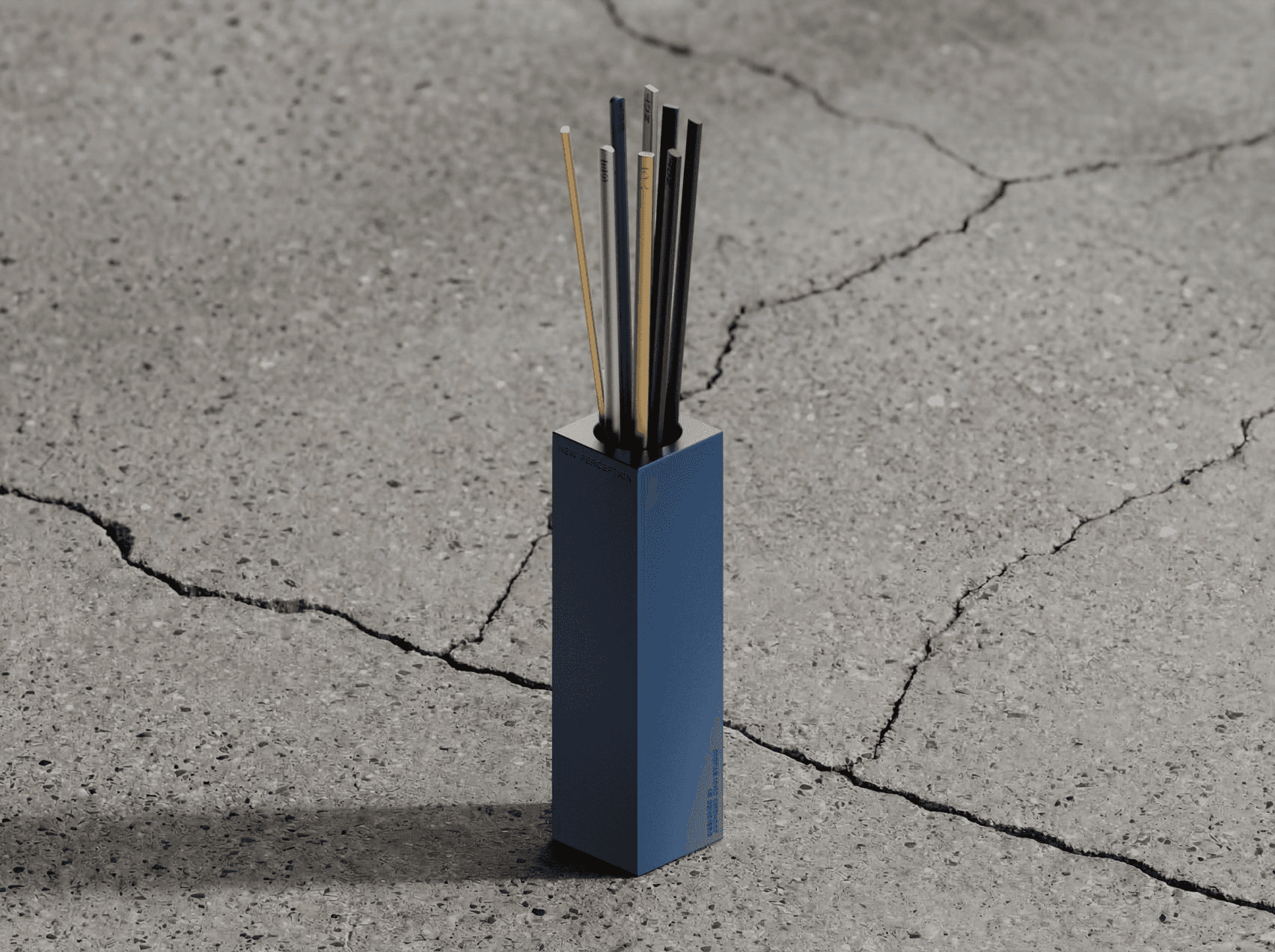
Apparently, a lot of things. Pasta chopsticks that you literally eat after using. Twigs/bamboo turned into chopsticks via a sharpening tool. Colourful chopsticks resting on a surface engraved with braille. Check 'em out here.
We should run ideations really like these chopsticks explorations. Each designer exploring radically different materials. E.g. What is a hairdryer in paper? In ceramic? In fabric? or What would an "extreme context switch" version of the same appliance would look like. E.g. One only for kids and one for the elderly only; one for use in total darkness, etc.